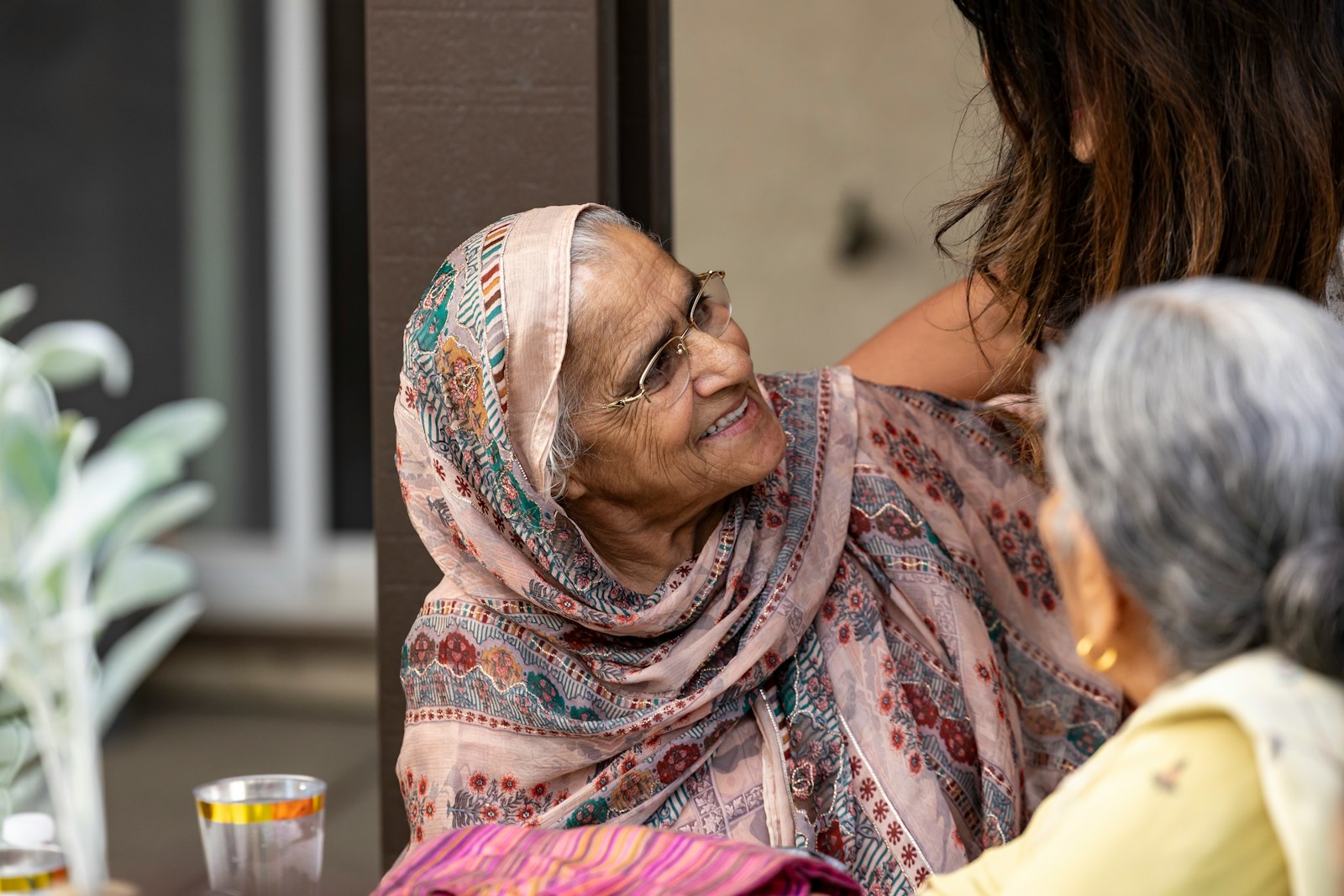
When one spouse becomes the caregiver for the other, her own needs often get pushed aside first. Bringing in a companion caregiver a few days a week, even while she is still capable and independent, gives an aging spouse real relief without giving up her role as a partner, and it protects her own health before it becomes a crisis.
Why Is Spousal Caregiving So Different From Adult Child Caregiving?
When an adult child cares for a parent, there is usually a home base to return to and a life running in parallel. When a spouse cares for a spouse, there is no separate home to retreat to at the end of the day. The caregiving simply becomes daily life, woven into every meal, every night, every quiet moment that used to belong to the two of them alone.
This closeness makes the caregiving role harder to notice from the outside. A wife caring for her husband of forty years does not always look like a caregiver. She looks like a spouse, and her own growing exhaustion or physical limits can go unnoticed by family members who assume things are simply “the way they’ve always been.”
How Do You Know When a Spouse Needs Extra Support?
The signs tend to build slowly rather than arrive all at once. A spouse who used to manage everything without complaint might start mentioning she’s tired more often. She might skip her own doctor’s appointments because there’s no one to stay with her husband. She might quietly stop doing things she once enjoyed, like a weekly lunch with friends or a morning walk, simply because there’s no longer time.
A few patterns worth watching for in a spouse who is also aging:
- Her own health appointments getting delayed or skipped entirely
- Increasing fatigue, or comments about feeling “worn down”
- Withdrawing from friendships or activities she used to enjoy
- Physical strain from tasks like lifting, bathing assistance, or overnight care
- Growing frustration or short temper that seems out of character
None of these mean she is failing at caregiving. They mean her own needs have quietly stopped being part of the equation, and that balance needs restoring before it affects her health too.
Why Do Spouses Resist Asking for Help?
Pride, habit, and love all play a role. Many spouses see caregiving as simply an extension of the marriage vow, and asking for outside help can feel like an admission that she can no longer hold up her end of that promise. Others worry that bringing in a caregiver means losing the closeness that caregiving, despite its difficulty, still provides. Recognizing these feelings as valid, rather than dismissing them, tends to open the door to a more productive conversation about support.
How Can Adult Children Support an Aging Parent Who Is Caregiving for a Spouse?
Adult children often feel caught in the middle here, wanting to help both parents but unsure how to approach it without overstepping. A useful starting point is asking the caregiving spouse directly what would actually help, rather than assuming. She may want company more than physical assistance, or she may need someone else to handle nights so she can finally get consistent sleep.
It also helps to frame outside support as protecting the marriage rather than replacing it. A companion caregiver who comes in a few mornings a week does not take over the relationship. She simply gives a spouse room to rest, run errands, or see a friend, so the time she does spend with her husband comes from a fuller cup rather than an empty one.
What Kind of Support Actually Helps a Spousal Caregiver Most?
It depends heavily on what’s wearing her down. Some spouses need physical relief, someone to help with bathing, dressing, or overnight supervision so she can finally sleep through the night. Others need something less obvious: a few uninterrupted hours to see a friend, sit at the beach, or simply have quiet time in her own home without needing to stay alert to her husband’s needs.
A thoughtful approach usually starts small. A few hours, two or three mornings a week, gives a spouse breathing room without requiring her to hand over the full caregiving role all at once. Many families find that once a spouse experiences that first bit of relief, she becomes far more open to expanding the support over time.
How Do You Introduce Help Without Hurting Her Pride?
Language matters enormously here. Framing the conversation around her own wellbeing, rather than her husband’s needs, tends to land better. “You deserve a few hours to yourself” is received very differently than “you can’t handle this alone.” It also helps to involve her in choosing the caregiver and setting the schedule, so the arrangement feels like her decision rather than something being managed around her.
How Does This Kind of Support Protect the Marriage Itself?
Caregiving without any relief tends to erode the parts of a marriage that have nothing to do with tasks and schedules. Conversations become logistics. Affection gets buried under exhaustion. Bringing in outside support, even in small doses, protects space for the couple to simply be a couple again, not just patient and caregiver.
Many spouses describe feeling like themselves again after even a modest amount of regular help, more patient, more present, and better able to enjoy the parts of the relationship that caregiving alone had slowly crowded out.
What Should Families Consider if Both Spouses Have Health Needs?
It’s common for the caregiving spouse to be managing her own health limitations while caring for her partner, whether that’s reduced mobility, fatigue, or simply the natural physical changes that come with age. In these situations, a caregiver’s role often expands to support both partners, not just the one with more visible needs.
This dual-support approach can look like a caregiver helping with household tasks that have become physically difficult for both spouses, providing companionship for the healthier partner while assisting the one who needs more hands-on help, or simply being a steady, familiar presence that takes pressure off the whole household rather than focusing narrowly on one person.
How Do You Choose Between More Family Involvement and Professional Help?
Many families default to assuming adult children should step in before considering professional support, but this isn’t always the most sustainable path. Adult children often live at a distance, juggle their own careers and families, and can only offer intermittent help, while a spouse faces the caregiving reality every single day. A consistent, trained caregiver can offer something family members simply cannot always provide: reliable, scheduled relief that doesn’t depend on someone else’s calendar.
The two approaches are not mutually exclusive. Many families find the best arrangement combines both, with professional home care support covering regular, predictable hours while family members contribute in the ways that fit their own lives, whether that’s weekend visits, holiday coverage, or simply being available for larger decisions.
What Does a Realistic Weekly Support Plan Look Like?
There’s no single formula, but many families start with a caregiver coming in for a few hours, three mornings a week, focused on the tasks that wear a spouse down most, whether that’s bathing assistance, meal preparation, or simply providing companionship so she can step out of the house. From there, the schedule can grow as needs change or as she becomes more comfortable with the arrangement.
It also helps to build in occasional larger blocks of relief, like a full day or overnight coverage through respite care, for situations that require more than a few hours away, such as a family event, a medical appointment of her own that requires recovery time, or simply a weekend to fully rest.
How Do You Talk to a Resistant Spouse About Getting Support?
Some spouses insist they’re managing fine, even when the signs of strain are obvious to everyone around them. Rather than arguing the point directly, it often helps to propose a small trial, just a few hours, framed as something to try rather than a permanent change. Once she experiences a bit of real rest, the conversation about expanding support tends to become much easier.
It also helps to separate the idea of “needing help” from “failing.” A spouse who has cared for her husband for years, sometimes decades, isn’t failing by accepting support. She’s simply making sure she has the strength to keep showing up for him in the years ahead.
What Happens if a Spousal Caregiver’s Own Health Declines Anyway?
Even with the best support in place, a spouse’s own health can still decline over time, simply as part of aging. When this happens, the caregiving arrangement usually needs to shift rather than stay fixed in place. What began as light companionship support might grow into more hands-on assistance for the spouse herself, alongside continued help for her husband. Reassessing the plan every few months, rather than assuming the original arrangement will always fit, helps families adjust before a crisis forces the issue.
Some couples reach a point where both partners benefit from regular caregiver support at the same time. This isn’t a sign that anything has gone wrong. It’s simply what long-term caregiving often looks like as two people age together, and having a flexible plan in place from the start makes that transition far smoother.
How Do You Find a Caregiver Who Fits an Established Couple’s Routine?
After decades of marriage, a couple has built countless small routines that outsiders won’t understand right away: the specific way coffee gets made, which chair belongs to whom, the particular jokes that only make sense between the two of them. A caregiver who takes time to learn these details, rather than imposing her own routine, tends to fit into the household far more comfortably.
It helps to be specific when describing the household to a new caregiver, sharing not just physical needs but the small personality details and daily rhythms that make the home feel like theirs. A caregiver who respects that established rhythm, rather than trying to change it, earns trust much faster, both from the spouse being cared for and from the caregiver.
Frequently Asked Questions
How do you know when a spousal caregiver needs outside support?
Watch for delayed doctor’s appointments, growing fatigue, withdrawal from friendships, physical strain, or uncharacteristic frustration. These signs usually build gradually and suggest her own needs have been pushed aside.
Why do older spouses often resist accepting help with caregiving?
Pride, love, and a sense of marital duty often make asking for help feel like an admission of failure. Framing support awell-beinging her own wellbeing, rather than replacing her role, tends to ease this resistance.
How much caregiving support does a spouse actually need?
It varies widely. Some need a few hours a week for a break, while others need more substantial help with physical tasks like bathing or overnight supervision. Starting small and adjusting as needs change usually works best.
Can a caregiver support both spouses if they both have health needs?
Yes. Many caregivers assist the whole household, helping with tasks that are difficult for both partners while providing companionship and steady, familiar support for everyone involved.
How can adult children help without overstepping with their parents?
Asking the caregiving parent directly what would help most, rather than assuming, and framing outside support as protecting the marriage rather than replacing it, tends to be well received.
What is a good way to introduce a caregiver to a resistant spouse?
Propose a small trial period rather than a permanent change, and involve her in choosing the caregiver and schedule. Once she experiences some real relief, she often becomes more open to expanding the support.