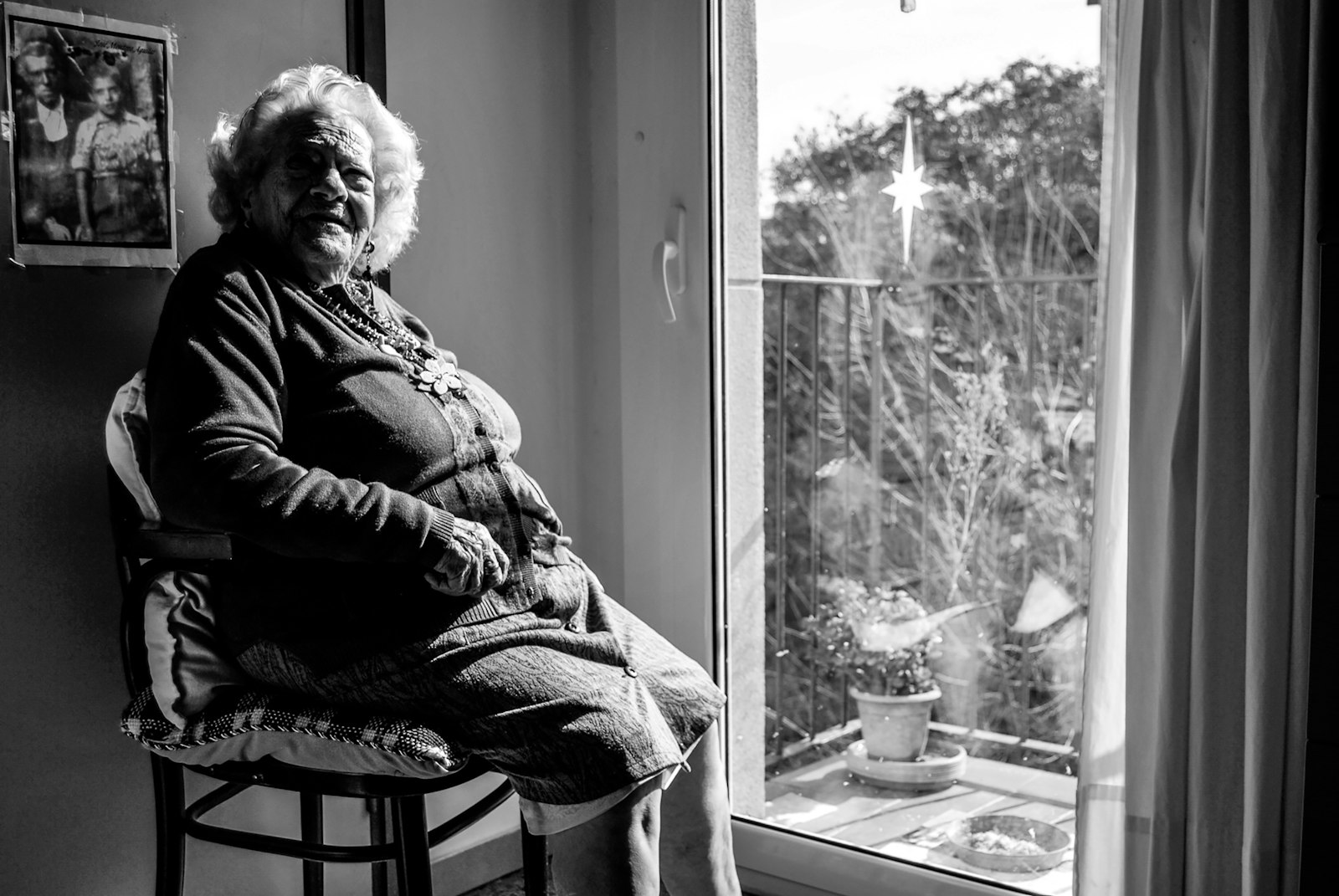
When siblings disagree about a parent’s care, one thing usually works best. Bring everyone into a single, structured conversation instead of scattered one-on-one arguments. Most sibling disagreements come from love, not opposition. Everyone wants what is best for mom. The trouble is that “best” can look different depending on who is closest to her day-to-day.
Why This Happens in Almost Every Family
The sibling who lives closest often sees day-to-day struggles the others do not witness firsthand. She notices Mom repeating the same question twice in one visit, or sees the stack of unopened mail that used to be handled promptly. The sibling who lives farther away may only see Mom at her best during short visits or phone calls, which can make the situation feel less urgent than it actually is.
Add in old dynamics, financial worries, and genuine grief over watching a parent age, and disagreements are almost guaranteed. None of this means your family is broken. It means you are human, and you are all processing the same hard reality from different vantage points.
There is also a subtler reason these disagreements run so deep. Deciding that a parent needs more help can feel like an admission that something is being lost, whether that is her independence, her health, or simply the version of her that raised you. Siblings sometimes disagree less about the practical plan and more about how ready each of them is to accept that change.
The Roles Siblings Often Fall Into
Understanding these common patterns can help take some of the personal sting out of a disagreement. The primary caregiver sibling, often the one who lives closest, tends to feel the daily weight of decisions and can become exhausted and frustrated if others do not seem to grasp the reality of the situation. The long-distance sibling often feels helpless and left out of decisions, even when genuinely wanting to help, and may compensate by researching options or offering financial support rather than hands-on care. Our guide to caring for elderly parents who don’t live near you speaks directly to that particular sibling role.
The skeptical sibling sometimes pushes back on the idea that more help is needed at all, which can come from genuine disagreement but can also come from difficulty accepting a parent’s decline. The peacemaker sibling often tries to smooth over every disagreement, which can be helpful, but can also mean real concerns go unaddressed because nobody wants to rock the boat.
Recognizing which role you and your siblings tend to fall into will not resolve a disagreement by itself, but it often makes the disagreement feel less personal and more like a predictable pattern that many families go through.
Steps That Actually Help
Bring mom into the conversation early, if she is able to participate. Seniors often feel calmer when they are part of the decision rather than talked about from the outside. Even a limited ability to weigh in can make her feel respected rather than managed. Our post on having the healthcare decision talk walks through how to approach that first conversation with her directly.
Hold one structured conversation instead of several scattered ones. A single planned discussion, in person or over video call, keeps everyone working from the same information at the same time, rather than each sibling hearing a slightly different version of events secondhand.
Get an outside opinion. A caregiving professional who has actually visited mom’s home can offer a neutral read on what she truly needs, which often settles disagreements faster than more family debate. An outside voice carries a kind of authority that can be hard for siblings to offer each other.
Divide responsibilities honestly. Equal does not always mean identical. One sibling might manage appointments, another might help financially, and another might handle research or coordinate with caregivers. All of it counts, and naming these contributions out loud helps everyone feel seen for what they are actually doing.
Use one shared place for updates, like a group text or a shared document, so nobody feels left out of what is happening. This also creates a simple record everyone can refer back to, which reduces arguments over what was said or decided previously.
Set a follow-up date. Rather than trying to solve everything in one conversation, agree on a specific time to check back in, whether that is two weeks or two months out. This turns one high pressure conversation into an ongoing, manageable process.
Scripts for Difficult Moments
Sometimes having a few specific phrases ready can help a tense conversation stay productive. If a sibling seems dismissive of a real concern, try saying, “I know it might not seem urgent from where you are, but here is exactly what I am seeing day to day.” This shares information without accusing anyone of not caring.
If a sibling feels excluded from decisions, try saying, “I want your input on this, even though you are not here every day. What are you seeing or hearing when you talk to mom?” This invites participation instead of assuming distance means disinterest.
If the conversation starts sliding into old family patterns or blame, it is fair to say, “Let’s focus on what mom needs right now instead of relitigating the past.” Naming the pattern out loud often helps everyone catch themselves and redirect.
When to Bring in Outside Support
If conversations keep circling without an answer, bring in a neutral third party. This could be a care coordinator, a trusted family friend, or a professional mediator. There is no shame in asking for help here. Someone with fresh eyes is often exactly what gets everyone rowing in the same direction.
A neutral professional can also help translate emotional disagreements into practical next steps, since they are not carrying the same family history or emotional weight that siblings bring into the conversation. Many families find that one facilitated conversation accomplishes more than months of informal back and forth. If you are still early in weighing whether in-home care is the right call at all, you are not alone navigating this choice, and it may help to revisit that broader question together as a family.
What This Means for Mom
At the end of the day, your parent does not need her children to agree on every detail. She needs to feel loved and supported by all of you, even if you approach it differently. Children who disagree on the exact plan but who all clearly show up with care and attention are still giving their parent something valuable, even amid the tension.
It can help to occasionally step back and ask what your parent would want for her children in this moment. Most parents, even ones who need significant help, would rather see their children find a way to work together than watch a disagreement stretch on indefinitely in the name of getting every detail perfectly right. Imperfect agreement reached with kindness will almost always serve her better than a perfect plan reached through months of family conflict.
A Common Scenario, and How It Usually Resolves
Picture three adult children. One lives fifteen minutes from mom and stops by several times a week. One lives across the country and talks to her by phone every Sunday. One lives a few hours away and visits monthly. The nearby sibling starts noticing real changes, missed medications, confusion about the day of the week, a stove left on twice in one month. She raises the alarm to her siblings.
The distant sibling, hearing about this secondhand and only seeing mom sound cheerful on their weekly call, is not convinced things are as serious as described. The middle sibling feels caught in between, sympathetic to both sides but unsure who is right. Weeks pass with tense phone calls and no real decision.
What usually breaks this stalemate is not one sibling convincing the others through argument. It is bringing in something objective, whether that is a documented list of specific incidents, a doctor’s observation, or a professional home care assessment that gives everyone the same starting facts. Once the distant sibling sees the same information the nearby sibling has been living with, the conversation usually shifts from debating whether help is needed to figuring out what kind of help makes sense.
This pattern repeats in family after family. The disagreement rarely comes from one sibling not caring. It comes from siblings simply not having the same information, and once that gap closes, agreement tends to follow much more easily than families expect going in.
Protecting Your Own Relationship With Your Siblings
It is worth remembering that this season, however stressful, is temporary, while your relationship with your siblings is not. Try to separate the urgency of a caregiving decision from the long-term health of your family relationships. A disagreement about mom’s care today does not have to define how you relate to your brother or sister for years afterward.
Where possible, extend the same grace to your siblings that you would want extended to you. The sibling who seems distant may be struggling privately with guilt about not doing more. The sibling who seems overly cautious about change may be grieving the version of your parent they remember. Assuming good intentions, even during a frustrating disagreement, tends to keep these conversations from causing lasting damage, and it leaves the door open for your siblings to be genuine sources of support for you later, rather than people you have grown distant from over one hard season.
Frequently Asked Questions
What if one sibling refuses to help at all?
Try to separate emotional support from practical tasks. A sibling who cannot help with hands-on care may still contribute financially, emotionally, or by handling research and phone calls from a distance. It is worth naming specifically what kind of help would actually be useful, rather than assuming refusal to do one thing means refusal to help at all.
Should our parent be part of these conversations?
Whenever possible, yes. Involving her, even in a small way, helps her feel respected and often reduces tension between siblings who are each trying to advocate for her. If her condition makes full participation difficult, even simple, direct questions can help her feel included.
How do we stop the same argument from repeating?
Write down what was decided after each conversation and share it with everyone. Having a clear record prevents the same debate from resurfacing every few weeks, and it gives you something concrete to point back to if a sibling later disagrees with what was decided.
What if siblings live in different states or time zones?
Video calls can bridge much of this gap, and scheduling one recurring call, rather than constant one-off conversations, tends to work better for distant siblings. A shared document with photos or short updates can also help long-distance siblings feel more connected to daily reality.
Is it normal for this to bring up old family tension?
Yes, this is extremely common. Caregiving decisions often resurface old sibling dynamics that have nothing to do with the current situation. Naming this pattern openly, rather than pretending it is not happening, often helps families move past it faster.
When should we involve a professional mediator?
If conversations have repeatedly stalled, become hostile, or left major decisions unresolved for months, a professional mediator or care coordinator can offer a structured process and a neutral perspective that siblings often cannot provide for each other.
What if my siblings and I simply see Mom’s needs differently, even after a real conversation?
This is common, and it does not always mean someone is wrong. People notice different things and weigh risks differently. In these cases, it often helps to agree on a trial period, adding a modest amount of support now and revisiting the decision in a set number of weeks with fresh information, rather than treating the first conversation as the final word.