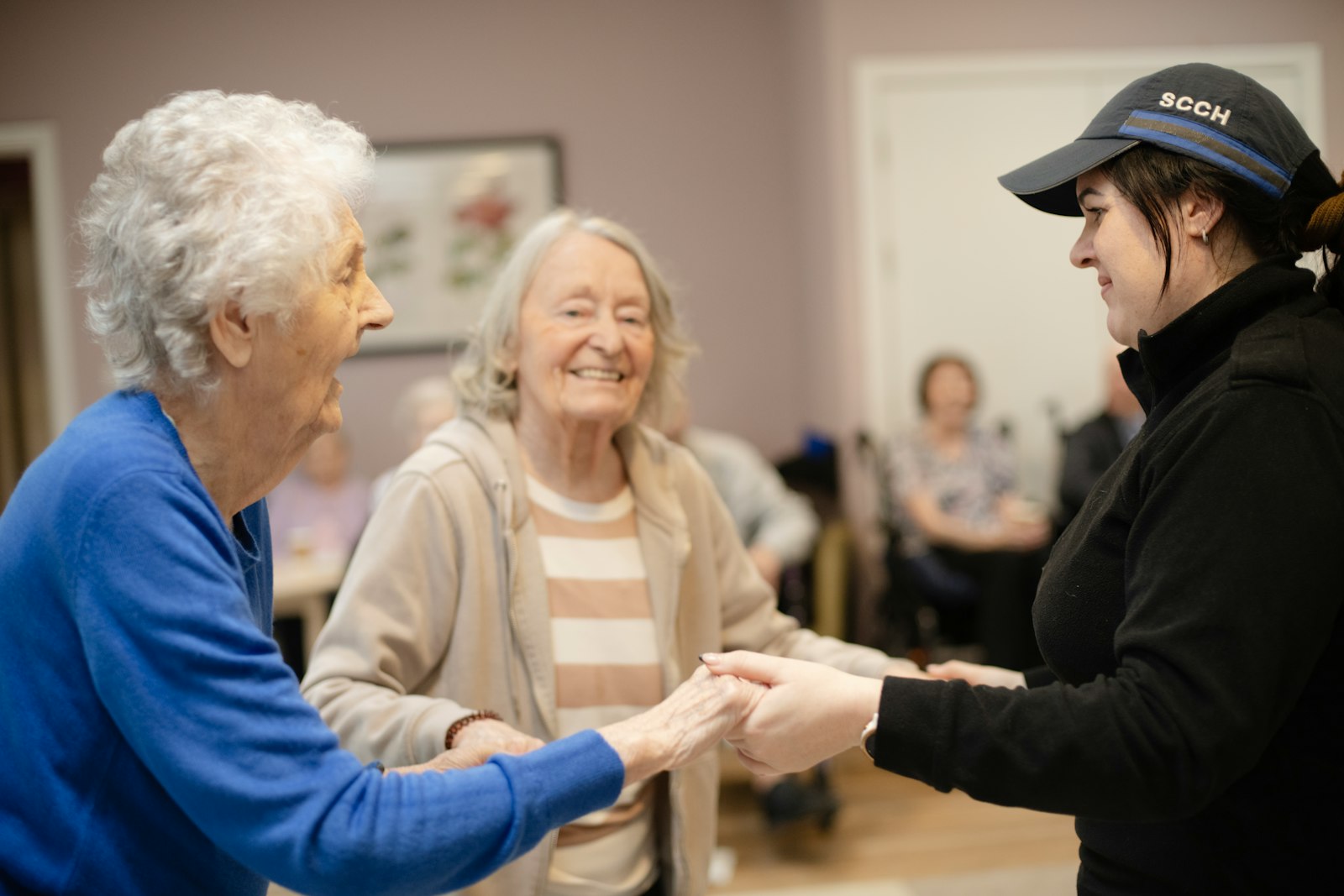
As daylight shrinks in the fall, many seniors quietly become more isolated, spending fewer hours outside and going longer stretches without company. Building a few extra touchpoints into her week, whether that’s a regular visit, a standing phone call, or simply an earlier dinner while it’s still light out, helps protect against the loneliness that tends to creep in as the season changes.
Why Do Shorter Days Affect Mood and Isolation So Much?
As afternoons darken earlier, the natural rhythm of a day shifts in ways that can quietly encourage withdrawal. A walk that used to happen after an early dinner suddenly means walking in the dark. A visit to a neighbor down the street feels like more effort once it means leaving after sunset. These small shifts add up, and over weeks, a senior who was previously active and social can find herself spending far more time alone at home simply because the daylight windows for easy activity have narrowed.
This pattern is worth taking seriously, not because shorter days are inherently harmful, but because the isolation they can quietly encourage carries real consequences for both mood and overall wellbeing.
How Is San Diego County’s Fall Different From Other Parts of the Country?
San Diego County is fortunate compared to much of the country when it comes to seasonal darkness. Temperatures stay mild well into fall, and outdoor activity remains realistic later into the season than in colder climates. Still, the daylight hours themselves shorten just as they do everywhere else, and even in a place with beautiful weather, a senior can find herself indoors more simply because the sun sets earlier and mornings start darker.
This is worth remembering when a family member notices a parent seeming a little more withdrawn in October or November. It’s rarely about the weather itself in San Diego County. It’s about the daylight window shrinking around her established routine.
What Are the Early Signs of Seasonal Isolation Worth Watching For?
A few patterns tend to show up gradually rather than all at once. A parent who used to run errands in the late afternoon starts putting them off. A regular evening walk or visit to a neighbor happens less frequently, or stops altogether. Phone calls become shorter, or she seems a little less engaged when talking about her day. She might mention feeling more tired, or simply seem quieter than usual during a visit.
None of these signs demand alarm on their own, but together they often point toward a senior spending more time alone than she was even a month or two earlier, worth noticing and gently addressing before it becomes a deeper pattern.
How Can Families Build More Daylight-Hour Connection Into a Parent’s Week?
Shifting the timing of regular activities to fit the shorter daylight window often makes a real difference. Moving a weekly lunch to an earlier hour, scheduling a walk for mid-morning instead of late afternoon, or planning a visit for a Saturday rather than a weekday evening all work with the season rather than against it.
It also helps to build in activities that don’t depend on daylight at all. An evening phone call, a shared TV show watched together over video chat, or a standing weekly dinner indoors all provide connection regardless of when the sun sets.
What if a Parent Doesn’t Want to Change Her Routine?
Some seniors resist adjusting long-held routines, even when the reason is simply the season changing. Rather than insisting on a change, it can help to frame new options as additions rather than replacements. Suggesting a mid-morning walk as something extra, alongside her usual routine, tends to be received better than suggesting she give up her preferred late-afternoon walk altogether.
How Does Companionship Help Counter Seasonal Loneliness?
Regular, in-person companionship provides something a phone call or video chat can’t fully replace: physical presence and genuine engagement during the hours that would otherwise be spent alone. A companion caregiver who visits consistently, particularly during the darker afternoon and early evening hours when isolation tends to creep in most, can make a meaningful difference in how a senior experiences this seasonal shift.
This kind of support doesn’t need to be elaborate. Sharing a meal, playing cards, having a real conversation, or simply sitting together while the evening settles in all provide the kind of connection that helps counter the isolating pull of shorter days.
What Role Does Light Itself Play in Mood?
Natural light exposure affects mood and energy in ways that go beyond simple preference. Making the most of daylight hours, whether through a morning walk, sitting near a bright window, or spending time in a sunroom or patio during the brightest part of the day, can help offset some of the mood effects that come with shorter overall daylight.
Inside the home, brightening indoor lighting during darker afternoon and evening hours also helps. Warm, well-distributed lighting throughout main living areas makes a home feel more welcoming and less isolating once natural light fades, encouraging a senior to stay engaged in her living space rather than retreating to a dim bedroom simply because it feels cozier in low light.
How Do Adult Children Living Far Away Support a Parent Through This Seasonal Shift?
Distance makes seasonal isolation harder to notice and harder to address directly. Scheduling video calls during a parent’s more energetic hours, rather than whenever happens to be convenient for the adult child, can help calls feel more like real connection than a quick check-in squeezed into a busy day.
For families who can’t be physically present, arranging regular in-home support during the specific hours when isolation tends to increase provides a layer of consistent, in-person connection that phone calls alone cannot offer, particularly during the exact window of the day when a senior is most likely to be alone.
How Can Social Activities Be Adjusted for the Season?
Many senior-focused social activities, from community classes to club meetings, run on regular weekly or monthly schedules that don’t necessarily account for shrinking daylight. It’s worth checking whether preferred activities have moved to earlier time slots for the fall and winter months, and helping a parent find alternatives if her usual gathering now conflicts with the darker evening hours she’s less comfortable driving or walking in.
Carpooling with a neighbor or friend, or arranging transportation through a caregiver, can also remove one of the biggest barriers to staying socially engaged once the evening comes earlier: the simple discomfort of driving in the dark.
Why Does Addressing This Early Matter More Than It Might Seem?
Isolation that builds gradually over a season is often easier to address in its early stages than after it’s become a deeply entrenched pattern. A senior who has quietly withdrawn for a few weeks is generally easier to reengage than one who has spent months alone and grown accustomed to a much quieter, more solitary routine.
Paying attention early, adjusting routines to fit the season, and building in reliable, regular connection all help prevent a temporary seasonal shift from becoming a lasting pattern of isolation that persists well beyond the shorter days that first triggered it.
Can Small Home Changes Make the Darker Months Feel Less Isolating?
A few practical adjustments around the house can soften the effect of shorter days without requiring a major shift in routine. Moving a favorite chair closer to a window that catches morning sun, keeping a porch light on so evening visitors feel welcome, or setting timers on lamps so the home doesn’t sit dark before a parent thinks to turn on a light all add up over time.
Simple safety improvements matter too. Well-lit walkways and entryways make a parent more willing to step outside or welcome a visitor even after sunset, rather than avoiding the front door once it’s dark. None of these changes take much effort, but together they make a home feel warmer and more inviting during the exact hours when withdrawal tends to happen.
How Do You Tell the Difference Between Seasonal Withdrawal and Something More Serious?
Most seasonal isolation is a mild, gradual shift tied directly to the shrinking daylight window, and it tends to ease once families adjust routines and add more connection during darker hours. It’s worth paying closer attention, though, if withdrawal seems unusually deep, if a parent loses interest in things she normally loves regardless of the time of day, or if the change doesn’t improve even after routines have been adjusted.
A pattern that feels heavier than typical seasonal adjustment, especially one that persists for several weeks despite genuine effort to counter it, is worth mentioning to her doctor. Most of the time, though, a little extra planning around the season is enough to keep a parent engaged and connected right through the darker months.
What Small Rituals Help a Parent Look Forward to the Darker Months?
Giving the season something to look forward to, rather than simply enduring it, changes how a parent experiences the shift. A standing Sunday phone call with grandchildren, a weekly game night, or a favorite warm meal made together on a set evening each week gives structure and something pleasant to anticipate as the days grow shorter.
Small seasonal touches help too. Lighting a few candles, switching to cozier blankets, or planning a simple fall outing while the weather is still comfortable in San Diego County can turn the season into something a parent enjoys rather than something she simply gets through until spring returns.
Frequently Asked Questions
Why do seniors become more isolated as the days get shorter in fall?
Shorter daylight hours shrink the natural window for outdoor activity and social visits, which can gradually reduce how much time a senior spends outside her home and around other people.
Does San Diego County’s mild weather prevent seasonal isolation?
Not entirely. While outdoor activity stays comfortable later into fall than in colder climates, the daylight hours themselves still shorten, which can still affect routines and social engagement.
What are early signs a parent may be becoming more isolated in the fall?
Skipping usual errands or walks, shorter phone calls, seeming more tired or quieter than usual, and reduced participation in regular social activities are common early signs worth noticing.
How can families help a parent stay socially connected as days shorten?
Shift regular activities to earlier daylight hours, build in evening connection that doesn’t depend on daylight, and consider consistent companionship during the hours isolation tends to increase.
Does indoor lighting really affect mood during shorter days?
Yes. Bright, warm indoor lighting during darker afternoon and evening hours helps a home feel more welcoming, encouraging continued engagement rather than early withdrawal to a dim room.
Why is it important to address seasonal isolation early?
A pattern of isolation is generally easier to reverse in its early weeks than after it becomes deeply established. Early attention and consistent connection help prevent a temporary shift from becoming a lasting habit.