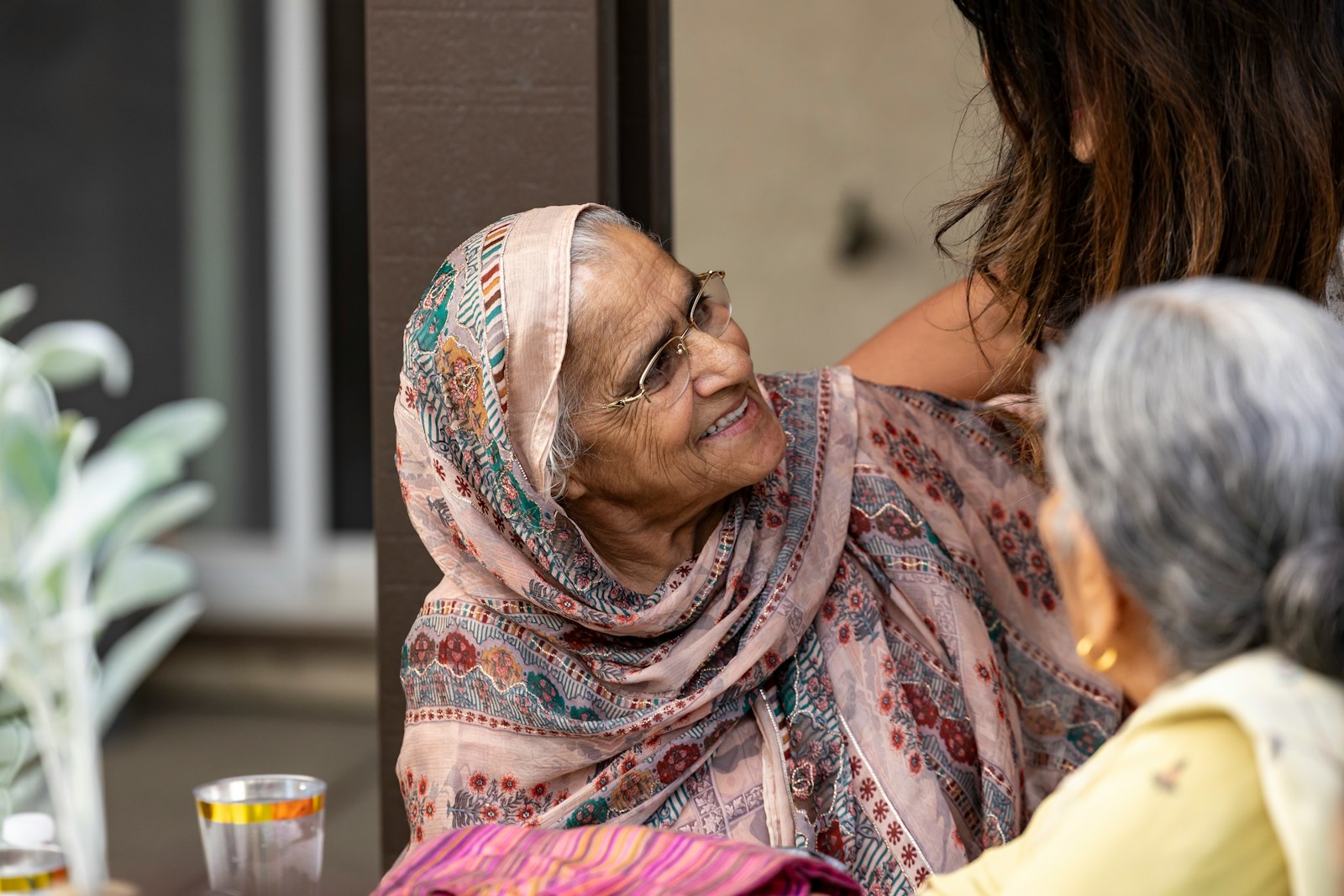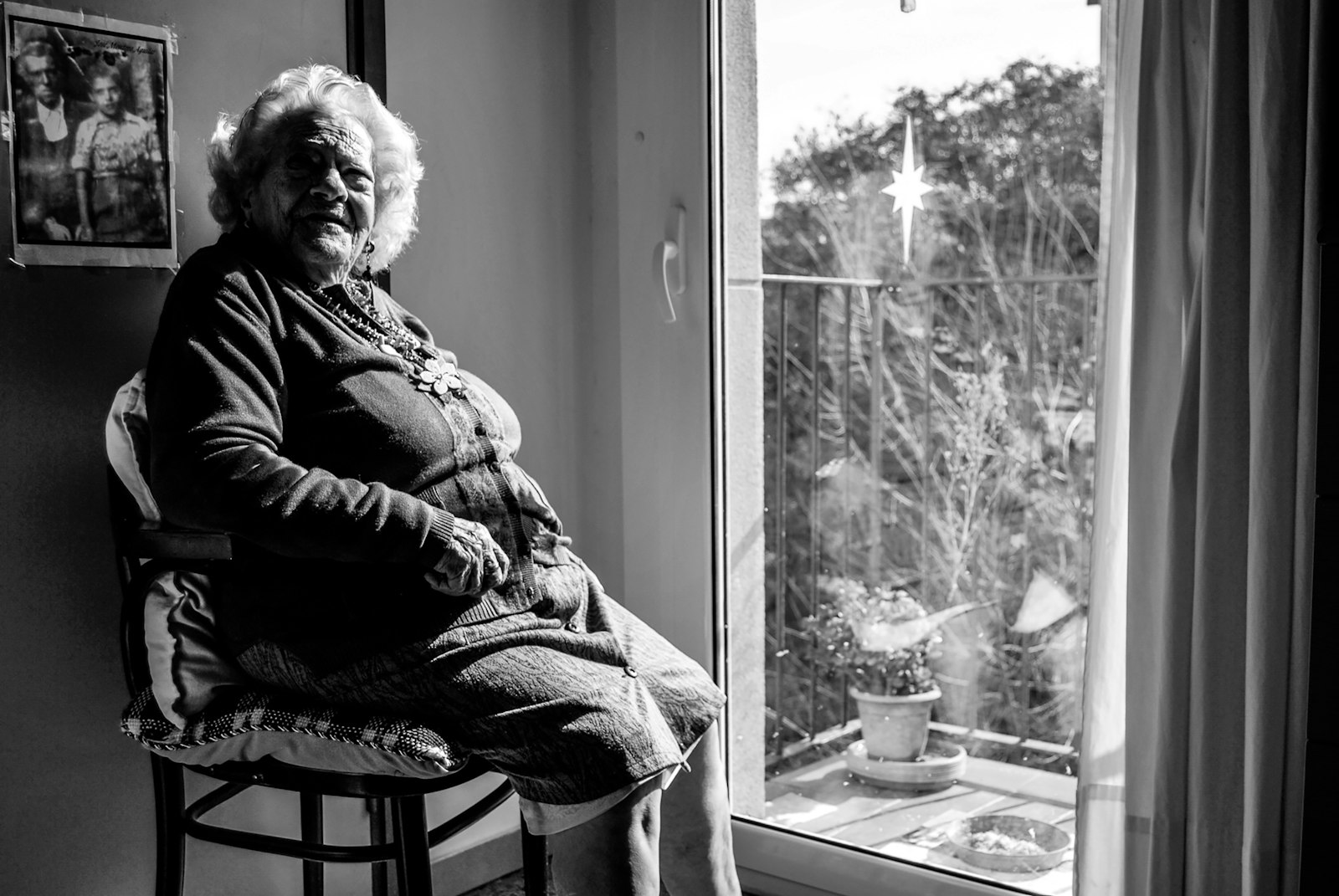
Helping a parent stay “themselves” as they age means protecting their personality, preferences, and sense of purpose, not just their physical safety. A senior who was always the family’s sharpest dresser, most avid reader, or most stubborn decision-maker deserves care that preserves those traits, rather than a routine so focused on safety that it quietly erases who they have always been.
Why Does Identity Matter as Much as Safety in Senior Care?
Safety-first thinking, while well-intentioned, can slide into a kind of care that treats a senior as a set of risks to manage rather than a whole person with a history, tastes, and a personality that predates any of this. A woman who has always been fiercely independent does not stop needing to feel capable just because she now needs help with certain tasks. A man who has spent his life being the one who fixes things does not want to become someone who is only fixed for.
Research on aging and well-being consistently points to the same theme: seniors who maintain a sense of identity, purpose, and autonomy tend to report a stronger quality of life than those whose care, however well-meaning, strips those things away in the name of caution. Care that honors who a person has always been tends to be both more humane and, in practice, more effective.
What Does It Look Like to Protect a Parent’s Identity in Daily Care?
It often comes down to small, specific choices rather than grand gestures. Letting a parent choose their own outfit, even if it takes longer or is not the choice a caregiver would make. Preserving a lifelong routine, like reading the newspaper with coffee each morning, rather than replacing it with something more “efficient.” Asking for a parent’s opinion on decisions that affect them, from what to have for dinner to how a room is arranged, rather than deciding on their behalf by default.
These choices communicate something important: that a parent is still the author of their own life, even as the specifics of daily living shift. Over time, this consistent respect does more to preserve dignity than almost any single “safety” measure.
How Do You Keep a Parent Connected to Their Hobbies and Interests?
Hobbies are often one of the first things to fade as caregiving needs increase, not because a senior loses interest, but because the logistics of continuing them become harder to manage. A lifelong painter may stop painting simply because setting up supplies has become physically tiring. An avid reader may read less because getting to the library or handling a heavy hardcover has become inconvenient.
Identifying the specific barrier, rather than assuming the interest itself has faded, usually reveals a simple fix. A painter might need someone to set up and clean supplies, not a reason to stop painting altogether. A reader might benefit from audiobooks or a library delivery service rather than giving up reading entirely. A companion caregiver can play a real role here, handling the logistical barrier so the hobby itself can continue uninterrupted.
What if a Parent Has Lost Interest in Things They Used to Love?
This is worth paying attention to, since a genuine loss of interest in previously enjoyed activities can sometimes signal something worth discussing with a physician, separate from the logistical barriers described above. It is also worth gently reintroducing an activity in a lower-pressure way before assuming interest is truly gone. Sometimes a parent has simply stopped because the activity, in its old form, no longer feels achievable, not because the underlying interest has disappeared. Adjusting the format, such as shorter painting sessions or simpler recipes, can sometimes reignite an interest that seemed to have faded.
How Do You Balance Safety Precautions With a Parent’s Autonomy?
This tension shows up constantly in daily caregiving decisions. A parent who wants to cook independently but has become less steady on their feet. A parent who wants to garden but tires more easily than before. The instinct to simply take over the task for safety’s sake is understandable, but it often costs more than it protects, stripping away a source of pride and purpose in the name of caution.
A more balanced approach usually involves modifying the activity rather than eliminating it. A parent who wants to cook might do so with a caregiver nearby handling the stovetop steps that carry more risk, while still choosing the recipe, prepping ingredients, and directing the process. A parent who wants to garden might work from a raised bed or a chair, with someone else handling the kneeling and heavier lifting. The goal is finding the version of the activity that keeps a parent meaningfully involved, not the version that removes risk entirely by removing them from it.
How Does Personality Get Lost in Overly Clinical Caregiving?
When care becomes too focused on tasks and checklists, a senior can start to feel more like a patient than a person, even in a non-medical home care setting. Small things matter here: a caregiver who knows a parent prefers their coffee a specific way, who remembers the names of old friends and asks about them, who understands a parent’s particular sense of humor and can actually enjoy it, rather than simply completing a list of duties.
This is part of why matching a caregiver to a senior’s personality, not just their physical needs, matters so much. A quieter, more reserved senior and a lively, highly social one need very different kinds of companionship to feel like themselves, not just cared for.
How Do Adult Children Support Identity Without Overstepping?
Adult children walk a difficult line here. They want to protect a parent, but they also do not want to become the person who makes every decision for someone who is still fully capable of making their own choices in most areas of life. A useful practice is asking before assuming, checking in on preferences rather than deciding what a parent would want based on old assumptions that may no longer hold.
It also helps to resist the urge to correct or manage every small decision. A parent choosing a slightly impractical outfit, or wanting to keep a routine that seems inefficient, is rarely worth a battle. Preserving a sense of control over small daily choices often matters more to a parent’s well-being than getting every detail “right” by someone else’s standard.
How Can Routine Support Identity Rather Than Restrict It?
Routine gets a mixed reputation in caregiving conversations, sometimes framed as rigid or limiting. In practice, a familiar routine, especially one a parent has kept for decades, is often a source of comfort and identity rather than a constraint. The specific order of a morning, a favorite chair, a particular way of doing the crossword, these details are not trivial. They are part of what makes a day feel like a person’s own life rather than a schedule imposed by someone else.
Caregivers and family members who learn and respect these small routines, rather than reorganizing a day around convenience or efficiency, tend to support a stronger sense of continuity and self for the senior in their care.
What Role Does Social Identity Play as People Age?
Beyond personal habits and hobbies, seniors often carry social identities built over decades, as the family historian, the neighborhood’s most reliable helper, the friend everyone calls first with good news. As physical needs increase, these social roles can quietly fade if no one makes an effort to preserve them. Helping a parent stay in touch with the community where they held that role, whether through phone calls, visits, or continued involvement in community activities and companionship, helps preserve not just relationships but a sense of ongoing purpose and value.
How Do You Talk About Changing Needs Without Making a Parent Feel Diminished?
Language matters more than most families realize. Phrases like “you can’t do that anymore” or “we need to take over” send a message of loss and incapacity, even when the underlying need for support is real. Reframing these conversations around addition rather than subtraction tends to preserve dignity far better. Instead of “you can’t garden anymore,” something like “let’s find a way to keep gardening that works better for you now” keeps the parent’s identity as a gardener intact while still addressing the practical challenge.
It also helps to ask a parent directly what feels most important to preserve, rather than assuming which parts of their life matter most. A parent might be far more attached to hosting holiday dinners than to driving themselves to the grocery store, and understanding those priorities helps families and caregivers focus their energy where it means the most.
What Happens to Identity When Memory Begins to Change?
When a parent’s memory starts to shift, families sometimes assume identity naturally fades along with it. In practice, personality, preferences, and emotional responses often remain intact long after certain memory functions change. A parent may not remember a recent conversation but still lights up at a familiar song, still has a distinct sense of humor, still prefers their coffee a certain way. Recognizing that identity persists in these moments, even amid memory changes, helps families and caregivers continue treating a parent as fully themselves rather than as someone who has already disappeared.
Photographs, familiar music, favorite foods, and consistent routines can all help maintain a sense of continuity and comfort, even as other aspects of daily life become more challenging. Caregivers experienced in this kind of support often become skilled at finding these moments of connection, which matter enormously to both the senior and their family.
How Do Families Recognize When They’ve Shifted Too Far Toward Managing a Parent’s Life?
It can happen gradually and with the best intentions. A few signs suggest the balance has tipped too far toward control: decisions being made and only announced afterward rather than discussed, a parent’s preferences being overridden regularly “for their own good,” or a parent expressing frustration about not being consulted on choices that affect their own daily life. Noticing these patterns and consciously inviting a parent back into decision-making, even for small things, tends to restore a healthier balance between support and autonomy.
Frequently Asked Questions
Why is preserving identity important in senior care, not just physical safety?
Seniors who maintain a sense of identity, purpose, and autonomy tend to report a stronger quality of life. Care focused only on eliminating risk can unintentionally strip away the personality and independence that make someone feel like themselves.
How can families help a parent continue hobbies they can no longer manage alone?
Identify the specific logistical barrier, such as physical setup or transportation, rather than assuming interest has faded. A caregiver can often handle that barrier so the hobby itself continues with adjustments rather than stopping altogether.
How do you balance safety with a parent’s desire for independence?
Modify the activity rather than eliminating it. Keep a parent meaningfully involved in decisions and steps they can safely manage, while a caregiver handles the specific parts that carry more risk.
What if a parent has genuinely lost interest in things they used to enjoy?
A real, lasting loss of interest is worth discussing with a physician. It can also help to reintroduce an activity in a simpler, lower-pressure format before assuming the underlying interest is gone.
How does routine support a sense of identity as someone ages?
A familiar, personal routine often provides comfort and continuity rather than restriction. Respecting the specific details of how a parent has always done things helps preserve their sense of self.
Can a caregiver be matched to a parent’s personality, not just their care needs?
Yes. Matching a caregiver’s temperament and interests to a senior’s personality helps companionship feel genuine rather than purely functional, which supports a stronger sense of identity in daily life.