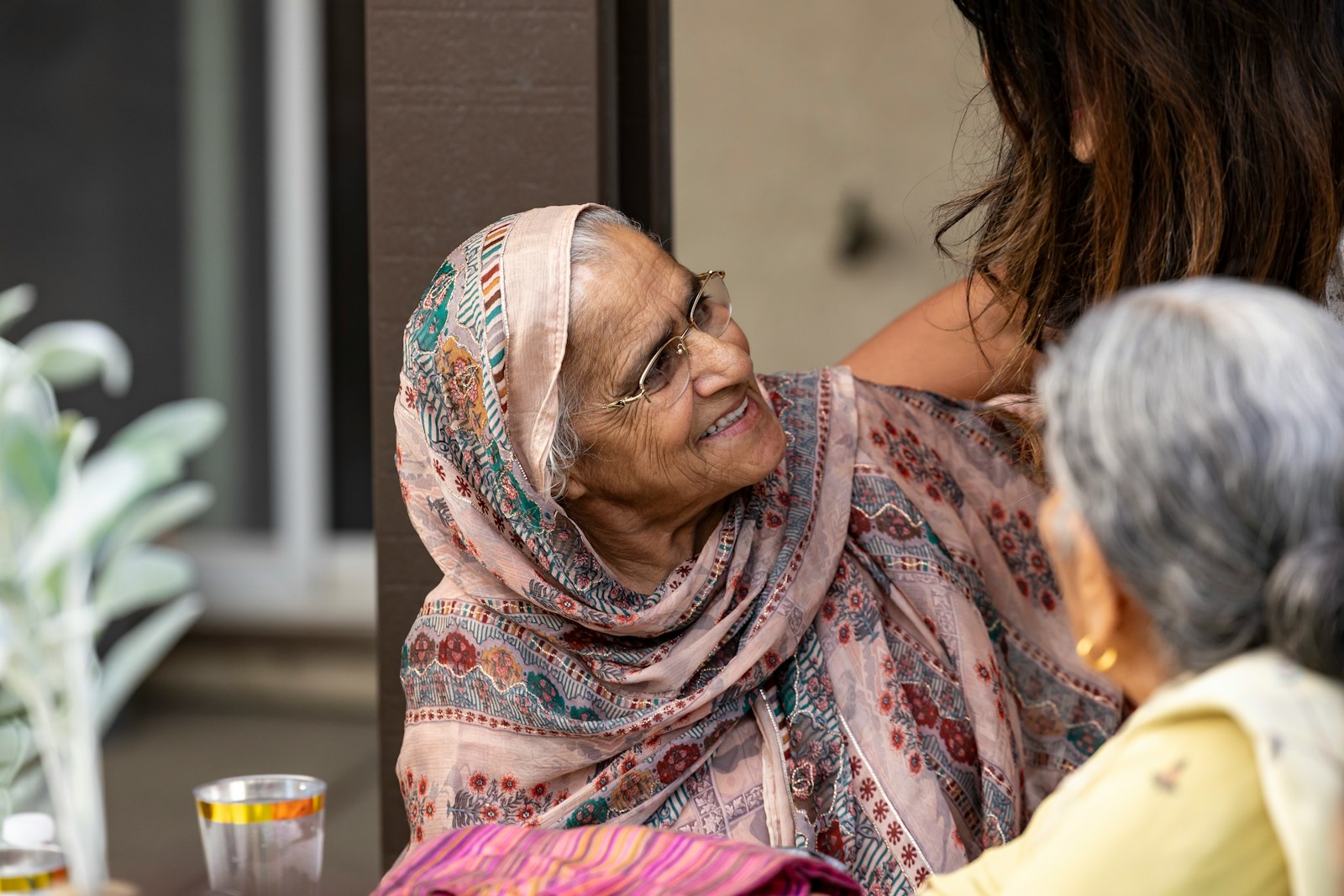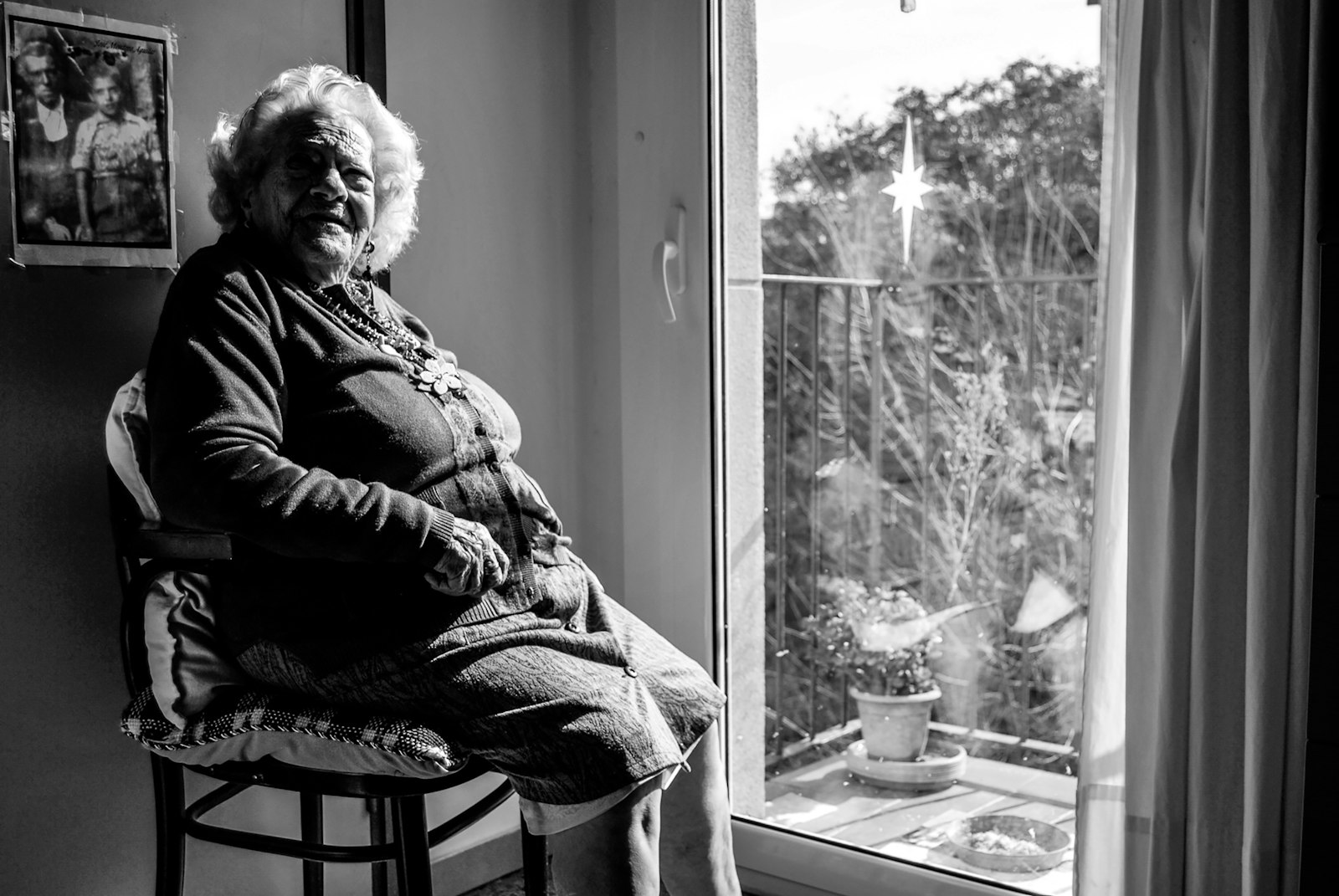
The holidays can be especially difficult for seniors dealing with loss. For many, this time of year intensifies feelings of grief, particularly when traditions and memories are tied to loved ones who are no longer here. Whether you have recently lost a spouse, family member, or close friend, the festive season can feel overwhelming rather than joyful. Here’s how to navigate this difficult time with compassion — for yourself or someone you care about.
Understanding Holiday Grief
The holidays amplify grief in ways that might surprise those who have not experienced loss. Several factors make this time of year particularly challenging:
Memories of past celebrations can be painful when those traditions now feel incomplete. Seeing an empty chair at the dinner table or ornaments that once belonged to a loved one can trigger waves of sadness that seem impossible to escape.
Social expectations to be festive add another layer of difficulty. There is immense pressure to appear happy and jolly, which can feel impossible when you are grieving. This disconnect between how you are expected to feel and how you actually feel can lead to isolation or exhaustion.
The season focuses on family togetherness, highlighting what is missing. Everywhere you look, advertisements and decorations celebrate connection and joy — a painful reminder for those grieving someone central to their holiday traditions.
Traditions tied to loved ones become complicated. Activities you once shared with someone special can feel either meaningless without them or too painful to attempt.
Signs of Complicated Grief
While some sadness during the holidays is normal, it is important to recognize when grief might be becoming more than you can handle alone. Signs that grief may be more intense than typical seasonal melancholy include:
- Inability to enjoy anything, even activities that once brought pleasure
- Withdrawal from all activities and social interactions
- Significant changes in sleep patterns — either sleeping far too much or being unable to sleep
- Thoughts of self-harm or a sense that life has no purpose
- Symptoms that persist well beyond the holiday season
If you notice these signs in yourself or a loved one, reaching out for professional support is a strength, not a weakness.
Compassionate Strategies
Allow Grieving
The most important thing you can do for yourself during the holidays is permit yourself to grieve. It is okay to feel sad. You do not have to force a festive attitude simply because the calendar says you should. Acknowledge the loss openly — suppressing grief only prolongs the healing process. Let yourself cry when you need to, and do not apologize for feeling what you feel.
Create New Traditions
While honoring the past, consider creating new, simple traditions that feel meaningful without trying to replicate what was. Include the memory of a loved one in intentional ways — by lighting a candle, sharing a favorite story, or preparing a dish they loved. Be flexible with expectations. There is no right way to celebrate the holidays while grieving. Some years might call for low-key observances, and that is perfectly acceptable.
Stay Connected
Resist the urge to isolate completely. Accept invitations when you feel able, even if you only stay for a short time. Maintaining social contacts provides crucial emotional support, even when you would rather be alone. Consider joining a grief support group specifically for the holidays — many communities offer these during November and December. Sharing your experience with others who understand can be incredibly healing.
Take Care of Physical Health
Grief takes a tremendous toll on the body, making it even more important to maintain physical wellness during this difficult time. Try to keep regular routines as much as possible. Even when appetite is poor, make an effort to eat nourishing food. Sleep is essential for emotional processing — aim for adequate rest. Gentle exercise, such as walking, can help lift mood and reduce stress. Small acts of self-care add up.
Helping a Grieving Senior
If you love a senior who is grieving, your support can make an enormous difference. Here’s how to help — and what to avoid.
What to Say
Start by acknowledging their loss directly. A simple I am so sorry for your loss validates their grief in a way that minimizes the pain far less than trying to offer comfort. Offer specific help rather than vague invitations. Instead of Let me know if you need anything, try I am going to the grocery store tomorrow — can I pick up anything for you? or I would love to spend an afternoon with you this week. Most importantly, listen without judging. Let them express whatever they are feeling without trying to fix or rush their emotions.
What Not to Do
Avoid minimizing their grief with phrases like They are in a better place or At least they lived a long life. While these come from good intentions, they can feel dismissive of the very real pain of loss. Do not pressure them to move on or assume that time alone heals everything. Grief does not follow a schedule, and everyone processes loss at their own pace. Also, avoid disappearing after the initial funeral or memorial — grief support matters most in the weeks and months that follow.
Professional Support
If grief feels unmanageable, consider reaching out to a grief counselor or therapist who specializes in senior grief. Many communities offer support groups specifically designed for those grieving during the holidays. Interim HealthCare of La Jolla can connect families with local grief resources, counseling services, and support groups. We are here to help families navigate not just caregiving, but all the emotional challenges that come with aging and loss.
Conclusion
The holidays will never be the same after a loss, and that is okay. With patience, understanding, and the right support, seniors can navigate grief during the holidays — not by pretending the pain does not exist, but by honoring both their grief and their ability to find moments of peace. Be gentle with yourself. Grief is not a problem to solve; it is a journey to walk. And you do not have to walk it alone.