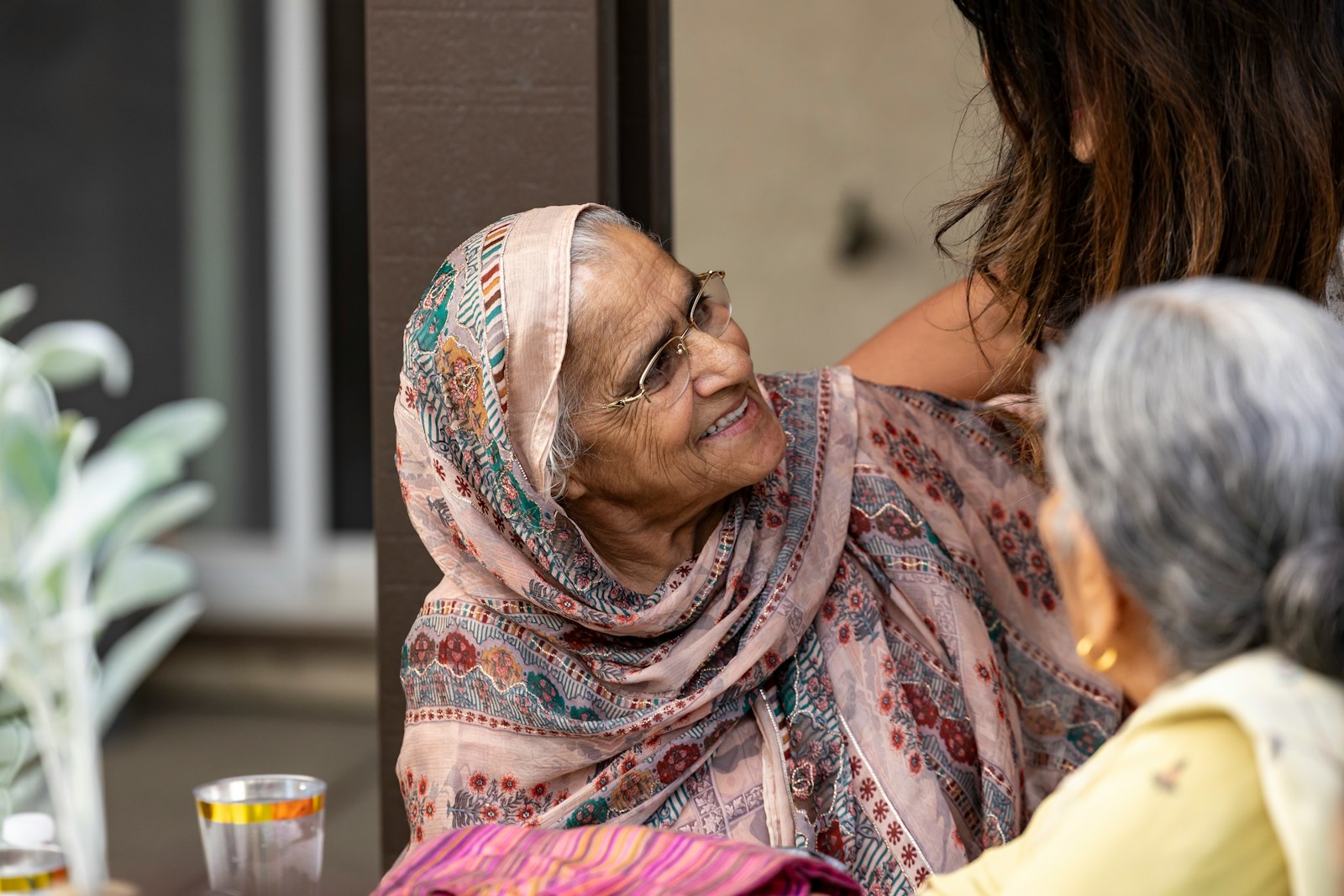
When my mother first started forgetting our Sunday phone calls, I told myself she was just busy. When she stopped mentioning her garden club meetings, I assumed the group had disbanded. It took a concerned neighbor calling to tell me Mom hadn’t left her house in three weeks for me to understand what was really happening: she was lonely, and that loneliness was slowly dimming the vibrant woman I’d known my entire life.
This story isn’t unique. Millions of families across the country watch their aging parents withdraw from life, often mistaking isolation for a natural part of getting older. But here’s what I’ve learned through years of working with families in San Diego County: loneliness isn’t inevitable, and the solution often isn’t a nursing facility or round-the-clock medical supervision. For many seniors, what’s missing is simply meaningful human connection: someone to share a cup of coffee with, to accompany them to a doctor’s appointment, or to sit beside them while they watch their favorite show.
Home care companionship fills this gap in ways that surprise most families. It’s not about treating illness or managing complex health conditions. It’s about restoring the social fabric that keeps us all feeling human. And the benefits extend far beyond what most people expect when they first consider this type of support.
Table of Contents
- Understanding the Role of Home Care Companionship
- Mental and Emotional Wellness Benefits
- Enhancing Physical Health and Safety
- Supporting Independence and Quality of Life
- Peace of Mind for Family Caregivers
- Choosing the Right Companion Care Strategy
Understanding the Role of Home Care Companionship
The word “companionship” might sound simple, almost too simple to make a real difference. But for seniors living alone, having a consistent, caring presence in their home can transform their daily experience. Companion caregivers aren’t nurses or medical professionals. They’re trained, compassionate individuals who become a trusted part of your loved one’s routine.
A typical day might involve conversation over breakfast, a walk around the neighborhood, helping organize photos, or simply being present while your parent reads or watches television. The activities matter less than the relationship itself. Over time, companions learn your parents’ preferences, their stories, and their quirks. They become someone your loved one genuinely looks forward to seeing.
At Interim Healthcare of La Jolla, our caregivers are meticulously screened precisely because this relationship requires trust. When someone enters your parents’ home regularly, they need to be reliable, kind, and genuinely invested in your family’s well-being. As a nurse-owned, family-operated agency, we understand that the right match between caregiver and client makes all the difference.
The Difference Between Medical Care and Companionship
Families often confuse companion care with home health services, but they serve distinct purposes. Medical home care involves skilled nursing, wound treatment, physical therapy, and other clinical interventions prescribed by a physician. These services address specific health conditions and are often covered by insurance or Medicare.
Companionship care, by contrast, focuses on quality of life rather than medical treatment. Companion caregivers help with activities that don’t require medical training but become challenging for seniors living alone. Think of it as the difference between treating an illness and nurturing wellbeing. Both matter, but they address different needs.
Many families discover their parents need companionship long before they need medical intervention. A senior recovering from a hip replacement may need physical therapy for a few months, but may benefit from companion care for years afterward to maintain independence and emotional health.
Addressing the Epidemic of Senior Isolation
The statistics on senior isolation are genuinely alarming. According to the National Academies of Sciences, Engineering, and Medicine, more than one-third of adults aged 45 and older feel lonely, and nearly one-fourth of adults aged 65 and older are considered socially isolated. These aren’t just uncomfortable feelings: research links chronic loneliness to increased risk of dementia, heart disease, stroke, and premature death.
For seniors who’ve lost a spouse, whose children live far away, or who can no longer drive, isolation happens gradually and often invisibly. They stop attending church. They decline invitations because getting ready feels like too much effort. They spend entire days without speaking to another person.
Companionship care directly interrupts this cycle. Regular visits from a caring companion provide structure, accountability, and a genuine human connection. Families in San Diego County often tell us their parents seem like different people after a few weeks with a companion: more engaged, more optimistic, more like themselves.
Mental and Emotional Wellness Benefits
The psychological impact of consistent companionship extends far beyond simply having someone to talk to. When seniors know someone is coming to visit, they have a reason to get dressed, to tidy up, to think about what they want to share. This anticipation itself provides mental stimulation and emotional lift.
Reducing Symptoms of Depression and Anxiety
Depression affects approximately 7 million American adults over age 65, yet it often goes undiagnosed and untreated. Seniors may not recognize their symptoms as depression, attributing their low mood to “just getting old.” Family members may miss the signs because they don’t see their parents daily.
Companion caregivers often notice subtle changes that family members might miss: a parent who stops eating well, seems more confused than usual, cries easily,, or seems withdrawn. Because companions visit regularly, they establish a baseline understanding of your parent’s normal behavior and can alert families to concerning changes.
Beyond observation, the companionship itself may help reduce depressive symptoms. Having someone to confide in, to laugh with, to share meals with addresses the fundamental human need for connection. While companion care isn’t therapy, the relationship often provides emotional support, helping seniors feel less alone in their struggles.

Cognitive Stimulation Through Social Interaction
Conversation is an exercise for the brain. When seniors engage in back-and-forth dialogue, they’re retrieving memories, processing new information, formulating responses, and staying mentally sharp. This cognitive workout happens naturally during companion visits.
Many companions engage seniors in activities designed to stimulate thinking, such as card games, puzzles, reading aloud, discussing current events, or reminiscing about the past. These activities aren’t medical interventions, but research suggests social engagement may help maintain cognitive function and potentially slow decline.
One family we work with credits their mother’s companion with rekindling her love of crossword puzzles. Before companion care, she’d stopped doing puzzles because “what’s the point when you’re doing them alone?” Now she and her companion work on them together, competing to see who can solve clues first. It’s simple, but it keeps her mind active in ways that watching television alone never could.
Enhancing Physical Health and Safety
While companion caregivers don’t provide medical care, their presence significantly impacts physical health outcomes. Much of this impact comes from encouragement, accountability, and simply having another person present who notices when something seems wrong.
Encouragement for Regular Exercise and Mobility
Seniors living alone often become sedentary because movement feels pointless or unsafe. Why walk around the block when there’s no one to walk with? Why risk a fall when no one would be there to help?
Companions change this calculation. A caregiver might suggest a short walk to enjoy the weather, offer an arm for stability, or simply provide motivation to get moving. These aren’t formal exercise programs, but they keep seniors mobile and engaged with their physical capabilities.
In San Diego’s beautiful climate, companions often encourage outdoor activities that would feel risky alone, such as visiting a local park, walking to a nearby coffee shop, or simply sitting in the garden. Movement, fresh air, and sunshine all contribute to better physical health, and companions make these activities accessible again.

Medication Reminders and Nutritional Support
Managing multiple medications becomes complicated as we age. Seniors may forget doses, take medications at the wrong times, or confuse different pills. While companions can’t administer medication, they can provide crucial reminders that help seniors stay on track with their prescribed regimens.
Nutrition presents similar challenges. Cooking for one feels like too much effort, so many seniors rely on processed foods, skip meals, or simply don’t eat enough. Companions can help with meal preparation, grocery shopping, and making mealtimes more enjoyable by providing company. Sharing a meal with someone is fundamentally different from eating alone in front of the television.
Fall Prevention and Immediate Emergency Response
Falls are among the greatest threats to senior independence. One in four Americans aged 65 and older falls each year, and falls are the leading cause of injury-related death in this age group. Many falls happen when seniors are home alone, attempting tasks they shouldn’t do without assistance.
Companions reduce fall risk in several ways. They can help with tasks that require reaching, bending, or climbing. They ensure walkways remain clutter-free. They identify environmental hazards such as loose rugs or poor lighting. And if a fall does occur, they’re present to call for help immediately rather than leaving a senior stranded on the floor for hours.
Families often tell us that the peace of mind that comes from knowing someone is with their parent outweighs almost every other benefit. The fear of “what if something happens and no one is there” haunts adult children, especially those who live far away or work demanding jobs.
Supporting Independence and Quality of Life
One of the most common misconceptions about companion care is that it reduces independence. In reality, the opposite is true. The right support helps seniors maintain their independence longer by addressing the specific challenges that might otherwise force a move to assisted living.
Assistance with Transportation and Community Engagement
For many seniors, losing the ability to drive marks a devastating loss of freedom. Suddenly, every errand requires coordinating with family members or arranging expensive transportation. Many seniors simply stop going places rather than ask for help.
Companion caregivers often provide transportation to appointments, shopping trips, social events, and recreational activities. This isn’t just about getting from point A to point B: it’s about maintaining connection to the broader community. A senior who can still attend their book club, visit their hairdresser, or meet friends for lunch maintains their identity and social network.
In San Diego County, we’ve seen companions help seniors continue participating in activities they love, such as visiting Balboa Park, attending concerts, and shopping at local farmers’ markets. These outings provide joy and stimulation that staying home simply can’t replicate.
Help with Daily Tasks and Light Housekeeping
The small tasks of daily life become genuinely difficult as we age. Changing bed linens, doing laundry, washing dishes, watering plants: individually minor, but collectively overwhelming for seniors with limited energy or mobility.
Companions help with light housekeeping that keeps the home safe and comfortable without taking over completely. The goal isn’t to do everything for your parent, but to handle the tasks that have become too difficult, so they can focus their energy on activities they enjoy.
This support often makes the difference between staying home and moving to a facility. When families realize their parent struggles with housekeeping, the first instinct is sometimes to consider assisted living. But if the challenge is practical rather than medical, companion care often provides a better solution that honors your parent’s preference to remain in their own home.
Peace of Mind for Family Caregivers
We’ve focused primarily on benefits for seniors, but companion care also transforms the experience of family caregivers. Adult children balancing careers, their own families, and caregiving responsibilities often reach a breaking point before seeking help. Companion care can arrive just in time.
Alleviating Caregiver Burnout
Caregiver burnout is real and devastating. The Family Caregiver Alliance reports that 40-70% of family caregivers show clinically significant symptoms of depression. The constant worry, the guilt about not doing enough, and the physical and emotional exhaustion take a genuine toll.
Knowing a trusted companion visits your parent regularly allows family caregivers to step back from constant vigilance. You can focus on your work meeting without wondering if Mom remembered to eat lunch. You can attend your child’s soccer game without feeling guilty about missing out on time with Dad. You can rest assured knowing someone competent and caring is with your loved one.
This isn’t about abandoning responsibility. It’s about building a support system that makes caregiving sustainable over the long term. Families that try to do everything themselves often burn out, which serves no one.
Real-Time Updates on Senior Well-being
When you don’t see your parent daily, small changes become invisible until they accumulate into crises. Is Mom eating? Is Dad showering? Are they taking their medications? These questions haunt family caregivers who live at a distance.
Companion caregivers provide regular updates that keep families informed without requiring constant check-ins that might feel intrusive to your parent. At Interim Healthcare of La Jolla, we believe families deserve to know how their loved ones are doing, and we prioritize communication that provides reassurance and catches concerns early.
One family recently told us that their companion’s observations about their father’s increasing confusion led to an early dementia diagnosis. Because the companion noticed subtle changes over the course of weeks, the family could seek medical evaluation before a crisis occurred. This early intervention allowed them to plan thoughtfully rather than react to an emergency.
Choosing the Right Companion Care Strategy
Finding the right companion care requires an honest assessment of your parent’s needs, preferences, and personality. Not every senior thrives with the same approach, and the best agencies take time to understand what will work for your specific family.
Start by observing your parents’ daily life. Where do they struggle? What activities have they abandoned? When do they seem happiest, and what’s missing from their routine? These observations help identify what type of companion support would be most effective.
Consider personality fit carefully. An introverted senior might feel overwhelmed by an extremely chatty companion, while an extroverted parent might feel bored with someone quiet. The best matches share some common interests or temperament traits that make conversation natural.
Ask about caregiver screening and training. Because companions enter your parent’s home and build close relationships, you need confidence in their character and competence. Agencies like ours, which meticulously screen caregivers, provide peace of mind that your parent is safe with their companion.
Finally, start slowly if possible. A few hours per week allows everyone to adjust before increasing support. Many families find that what begins as occasional companionship naturally expands as they see the benefits and their parents’ needs evolve.
Finding the right care is a big decision, and it helps to have a guide you can trust. If you’re exploring options for your family, we’d welcome the chance to hear about your specific situation and concerns. There’s no pressure and no obligation: just honest answers from people who understand what you’re going through. Schedule a free consultation to start the conversation.