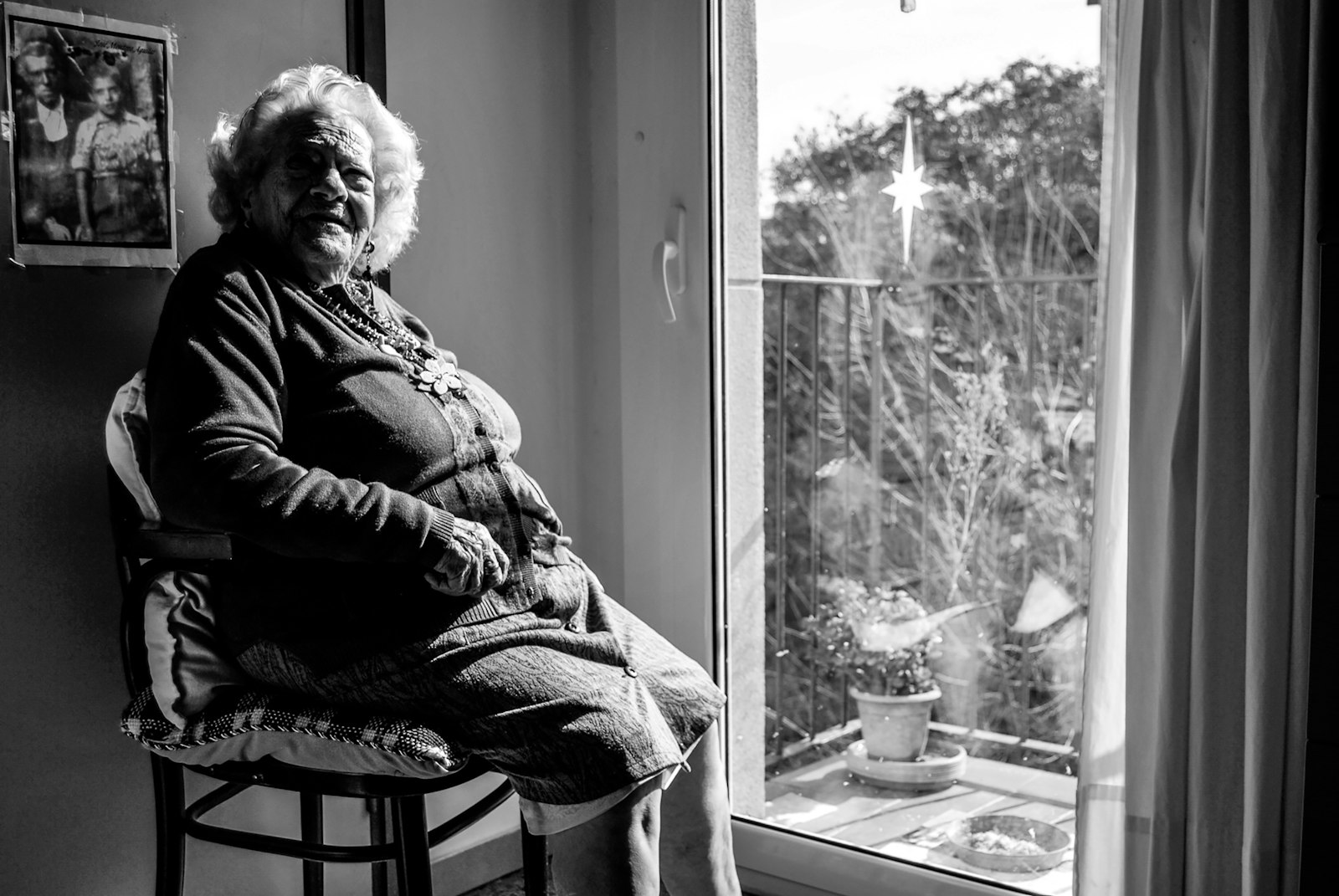
Finding the right support for an aging parent is one of the most tender and challenging journeys a daughter or son will ever walk. It often begins with small, quiet observations like a missed appointment, a favorite dress with a fresh stain, or a kitchen that feels unusually still. You want to honor your mother’s independence and her deep desire to stay in the home she loves, yet that nagging worry in your heart tells you she might need a helping hand. Please know that you aren’t alone in this. Recognizing these signs isn’t about taking away her autonomy; it’s about providing the gentle, compassionate support she needs to stay safe, cherished, and right where she belongs.
Table of Contents
- Understanding Aging in Place and the Need for Support
- Memory Loss vs. Normal Aging: Identifying Cognitive Decline
- Struggles with Activities of Daily Living (ADLs)
- Decline in Household Maintenance and Financial Management
- Physical Mobility and Home Safety Assessments
- Social Isolation and Emotional Withdrawal
- Next Steps: Transitioning to Professional In-Home Care
Understanding Aging in Place and the Need for Support
You’ve noticed something different about Mom lately. Maybe she forgot your birthday for the first time in 40 years, or you found expired food pushed to the back of her refrigerator. Perhaps her once-immaculate garden has grown wild, or she mentioned a fall she “didn’t want to worry you about.” These moments hit hard, and they often come with a question you’re not quite ready to ask: Does she need more help than she’s getting?
Recognizing the signs a senior needs home care isn’t about giving up on a parent’s independence. It’s about protecting it. The goal is helping your loved one stay safe, comfortable, and thriving in the place they know best: their own home. But knowing when to step in and how much support to provide requires understanding the difference between normal aging and a genuine need for assistance.
I’ve seen families wait too long, convincing themselves that everything is fine until a crisis forces their hand. I’ve also seen families jump in too quickly, creating resentment and resistance. The sweet spot lies in honest observation, gentle conversation, and knowing which warning signs truly matter.
The Benefits of Aging in Place for Seniors
Most seniors want to stay home. This isn’t stubbornness or denial: research consistently shows that aging in place offers real psychological and physical benefits. Familiar surroundings reduce confusion and anxiety, especially for those experiencing early cognitive changes. The comfort of sleeping in their own bed, sitting in their favorite chair, and looking out windows they’ve gazed through for decades provides stability that institutional settings simply cannot replicate.
Home also means autonomy. Your parent can wake when they want, eat what they prefer, and maintain routines built over a lifetime. This sense of control is critical to emotional well-being. Studies show seniors who age in place often experience less depression and maintain better cognitive function than those who relocate to care facilities.
The benefits of aging in place extend to physical health, too. Seniors in familiar environments move more confidently, reducing fall risk. They’re more likely to engage in activities they enjoy, from gardening to cooking to walking the neighborhood. Professional in-home care can preserve these advantages while addressing specific needs, creating a personalized support system rather than a one-size-fits-all approach.

Common Physical and Cognitive Aging Issues
Understanding typical aging issues for seniors helps you distinguish between normal changes and concerning decline. Some slowdown is expected. Your parent might take longer to recall names, need reading glasses, or tire more easily than they did a decade ago. Joints stiffen, hearing dims, and balance becomes less reliable with age.
Normal aging includes occasional forgetfulness, like misplacing keys or blanking on an acquaintance’s name. It includes needing more time to learn new technology or preferring familiar routines over novel experiences. Physical changes like gray hair, wrinkles, and reduced stamina are simply part of the journey.
What’s not normal: rapid personality changes, getting lost in familiar places, inability to manage previously routine tasks, or significant weight loss without trying. These warrant attention and often indicate that some level of support would benefit your loved one’s quality of life and safety.
Memory Loss vs. Normal Aging: Identifying Cognitive Decline
The line between “Mom’s getting older” and “something’s wrong” can feel impossibly blurry. Memory loss vs. normal aging is one of the most common concerns adult children bring up, and for good reason. Cognitive decline affects everything from safety to relationships to daily functioning.
Here’s what I tell worried families: occasional forgetfulness happens to everyone, including you. The difference lies in patterns, frequency, and impact on daily life. A single forgotten appointment means nothing. Repeatedly missing appointments, forgetting conversations that happened hours ago, or asking the same question multiple times in one sitting suggests something more significant.
Differentiating Forgetfulness from Dementia
Normal age-related memory changes include occasionally forgetting where you put things, needing a moment to recall someone’s name, or walking into a room and forgetting why. These lapses don’t interfere with independence or safety. Your parent might joke about their “senior moments” and usually remembers the forgotten information later.
Dementia-related memory loss looks different. Your parent might forget how to use familiar appliances, get confused about what year it is, or fail to recognize close family members. They may repeat the same story within a single conversation, unaware they’ve already shared it. Bills go unpaid not because of forgetfulness but because the process of paying them has become incomprehensible.
Watch for trouble with familiar tasks. If your mother has made her signature lasagna for 50 years and suddenly can’t remember the steps, that’s concerning. If your father, a former accountant, struggles to balance his checkbook, pay attention. These functional changes often signal cognitive decline, requiring professional evaluation and, in some cases, in-home support.
Behavioral Changes and Confusion
Personality shifts sometimes appear before obvious memory problems. A previously social parent might withdraw from activities they loved. Someone known for patience might become irritable or suspicious. These changes can indicate cognitive decline, depression, or both.
Confusion about time and place is particularly telling. Your parent might think they need to pick up the children from school, forgetting that the children are now in their 40s. They might insist on going “home” while sitting in the house they’ve lived in for 30 years. Evening confusion, sometimes called sundowning, is common in early dementia and can create safety concerns.
Poor judgment also emerges with cognitive decline. This might manifest as inappropriate clothing choices for the weather, unusual purchases, or susceptibility to scams. If your parent suddenly sends money to a “Nigerian prince” or buys products they’d never normally consider, cognitive changes may be affecting their decision-making abilities.
Struggles with Activities of Daily Living (ADLs)
Healthcare professionals use activities of daily living as a standardized way to assess someone’s ability to care for themselves. These fundamental tasks include bathing, dressing, toileting, transferring (moving from bed to chair, for example), continence, and feeding. Difficulty with these basics is one of the clearest signs a senior needs home care.
When your parent struggles with ADLs, the issue isn’t just inconvenience. It’s dignity, health, and safety. Someone who can’t bathe properly risks skin infections. Someone who struggles to dress might avoid going out, leading to isolation. These challenges compound quickly, and addressing them early preserves both physical health and emotional well-being.
The ADL Checklist: Personal Care and Hygiene
Pay attention during visits. Does your parent look clean and well-groomed, or have standards slipped? Body odor, unwashed hair, or repeatedly wearing the same clothes suggest bathing has become difficult. Look at their nails, both fingers and toes. Neglected personal grooming often indicates physical limitations, cognitive decline, or depression.
An activities of daily living checklist helps you assess systematically:
- Can they get in and out of the shower or tub safely?
- Do they brush their teeth and maintain oral hygiene?
- Can they dress themselves, including managing buttons and zippers?
- Are they able to use the toilet independently?
- Do they maintain continence, or are there signs of accidents?
Bathroom modifications and a professional caregiver can address many of these challenges while preserving your parent’s dignity. A compassionate aide can assist with bathing in ways that feel supportive rather than intrusive, helping your loved one maintain cleanliness and self-respect.
Difficulty with Meal Preparation and Nutrition
The refrigerator tells a story. Expired food, empty shelves, or multiple copies of the same item (e.g., six jars of mayonnaise) suggest problems with shopping, memory, or both. Spoiled produce might indicate your parent bought groceries but forgot to eat them. An empty kitchen might mean they’ve stopped shopping altogether.
Weight changes matter. Unintentional weight loss often signals inadequate nutrition, which can stem from forgetting to eat, difficulty preparing food, or reduced appetite from depression or medication side effects. Conversely, weight gain might indicate reliance on convenience foods or sweets because cooking has become too challenging.
Look at the stove and oven. Burn marks, forgotten pots, or a layer of dust suggest these appliances aren’t being used safely or at all. Many families discover that their parent has been living on crackers and canned soup because cooking a real meal has become overwhelming.
Decline in Household Maintenance and Financial Management
Your parents’ home tells you things they might not say aloud. A house that was always spotless now has dusty surfaces and cluttered floors. The lawn your father prided himself on has grown patchy and overgrown. Lightbulbs have burned out and haven’t been replaced. Small repairs have accumulated into larger problems.
This decline in household maintenance often happens gradually, making it easy to miss during short visits. Try to see the home with fresh eyes. Is the kitchen clean? Are bathrooms sanitary? Is clutter creating fall hazards? Are there signs of pest problems? A home that’s becoming difficult to maintain safely suggests your parent needs support.
Financial management problems can be even more concerning. Unopened mail piling up might mean bills aren’t being paid. Collection notices or utility shutoff warnings indicate serious issues. Check for unusual bank withdrawals, unfamiliar charges, or signs that your parent has been targeted by scammers. Cognitive decline often affects financial judgment early, sometimes before other symptoms become obvious.
Watch for hoarding behaviors that didn’t exist before. Saving newspapers, refusing to throw away expired food, or collecting items without purpose can indicate cognitive changes. These behaviors create safety hazards and suggest your parent may benefit from regular assistance to maintain a safe living environment.
Physical Mobility and Home Safety Assessments
Falls are the leading cause of injury death among adults 65 and older, and they’re often preventable. If your parent has fallen recently, or if you’ve noticed unsteadiness, it’s time to take mobility concerns seriously. A single fall can trigger a cascade of consequences: fractures, hospitalization, fear of movement, reduced activity, muscle loss, and increased fall risk.
Physical mobility changes may include reluctance to climb stairs, difficulty rising from chairs, or difficulty gripping furniture while walking through rooms. Your parent might have stopped going to places they love because getting there feels too difficult. They might have abandoned hobbies that require physical activity.
Conducting a Home Safety Assessment for the Elderly
A home safety assessment for elderly parents identifies hazards before they cause harm. Walk through every room your parent uses regularly, looking for potential problems.
In the bathroom, check for:
- Grab bars near the toilet and in the shower or tub
- Non-slip mats or adhesive strips in wet areas
- Adequate lighting, including a nightlight
- A shower chair or bench, if standing is difficult
- Accessible toiletries that don’t require reaching or bending
Throughout the home, assess:
- Loose rugs or cords that could cause tripping
- Adequate lighting in hallways and stairways
- Clear pathways without clutter
- Sturdy handrails on all stairs
- Frequently used items are stored at accessible heights
Many home safety modifications are simple and inexpensive. Others, such as installing a walk-in shower or a stair lift, require greater investment but can make the difference between safe aging in place and a dangerous living situation.
Unexplained Bruising and Frequent Falls
Bruises that your parent can’t explain deserve attention. They might indicate falls they haven’t mentioned, either because they’re embarrassed, don’t remember, or don’t want to worry you. Check arms, legs, and hips during visits, and ask gently about any marks you notice.
Frequent falls, even those without serious injury, signal a problem requiring intervention. Causes might include medication side effects, vision problems, muscle weakness, or neurological issues. A physician evaluation is important, but so is practical support. A professional caregiver can provide mobility assistance, encourage appropriate exercise, and ensure someone is present during high-risk activities like bathing.
Don’t dismiss “near falls” either. If your parent catches themselves on furniture frequently or reports feeling unsteady, they’re at elevated risk. These close calls often precede actual falls, and addressing them proactively can prevent injury.

Social Isolation and Emotional Withdrawal
Loneliness kills. This isn’t hyperbole: research links social isolation to increased risk of heart disease, dementia, depression, and premature death. If your once-social parent has withdrawn from friends, stopped attending church or clubs, or rarely leaves home, their health is at risk.
Social isolation in seniors often develops gradually. Friends pass away or move into care facilities. Driving becomes difficult or impossible. Health problems make outings exhausting. Depression saps motivation. Before long, days pass without meaningful human contact.
Watch for signs of withdrawal: declining invitations, losing interest in hobbies, expressing hopelessness about the future, or mentioning that they feel like a burden. These aren’t just emotional concerns. There are health red flags that suggest your parent needs more connection and support than they’re currently receiving.
Professional in-home care provides companionship alongside practical assistance. A caregiver who visits regularly becomes a friendly face, someone to talk with, share meals with, and engage in activities with. This consistent human connection can dramatically improve your parents’ emotional well-being and overall health.
Next Steps: Transitioning to Professional In-Home Care
If you’ve recognized several of these signs in your parent, you’re probably feeling a mix of concern, guilt, and uncertainty about what to do next. That’s completely normal. Acknowledging that a parent needs help is emotionally complicated, and figuring out what kind of help to arrange can feel overwhelming.
Start with a conversation, not a confrontation. Choose a calm moment and express your observations with love. “I’ve noticed you seem tired lately” opens dialogue better than “You can’t take care of yourself anymore.” Listen to your parents’ perspective. They may have concerns they haven’t voiced or solutions they’ve already considered.
Professional in-home care offers flexibility that institutional settings cannot match. Services can range from a few hours per week to round-the-clock support, scaling to your parents’ needs rather than forcing them into a predetermined care level. A caregiver can assist with specific challenges while your parent maintains independence in areas where they’re still capable.
Finding the right care requires research and trust. Look for agencies that conduct thorough caregiver screening, provide proper training, and demonstrate genuine compassion. Ask about their matching process, since personality fit matters as much as practical skills. Request references and trust your instincts when meeting potential caregivers.
You don’t have to figure this out alone. Quality home care agencies guide families through the transition, helping assess needs, develop care plans, and adjust services as situations evolve. The goal is to create a support system that helps your parent thrive at home while giving you peace of mind.
If you’re in San Diego County and seeing these signs in your parent, reaching out for a consultation costs nothing and could change everything. A caring professional can help you understand your options and create a plan that honors your parents’ independence while ensuring their safety and well-being. You’ve carried this worry long enough. Help is available, and your parent deserves to age with dignity, comfort, and the support they need.