
Understanding the Challenges
Distance can create significant barriers when it comes to providing care for elderly parents. The emotional strain of being separated from loved ones, coupled with the practical difficulties of managing their needs, can lead to feelings of helplessness and frustration.
Common challenges include coordinating medical care, ensuring safety at home, and addressing social isolation. Each of these issues requires thoughtful planning and proactive measures to ensure that your parents receive the support they need. The logistics of arranging transportation for medical appointments or finding reliable home care services can be overwhelming, especially when you are not physically present to oversee these arrangements. Additionally, the emotional toll of worrying about their well-being can weigh heavily on your mind, making it essential to seek support from friends, family, or even professional counselors who understand the unique challenges of long-distance caregiving.
Emotional Impact
Being unable to be physically present can evoke a range of emotions, from guilt to anxiety. It’s essential to acknowledge these feelings and find healthy ways to cope. Regular communication through phone calls, video chats, or even handwritten letters can help bridge the emotional gap. These interactions not only reassure you and your parents but also help maintain a sense of normalcy in your relationship. Scheduling regular “family nights” via video chat can create a routine everyone looks forward to, enabling shared experiences, laughter, and connection despite the miles between you.
Encouraging your parents to share their feelings can also foster a deeper connection. This dialogue can provide insight into their emotional state and help you better understand their needs. In addition to direct conversations, consider engaging them in activities that stimulate their minds and spirits, such as reading a book together or watching the same movie and discussing it afterward. These shared experiences can serve as a bridge, allowing you to stay connected and involved in their lives, even from afar.
Practical Challenges
Managing practical aspects of care from a distance can be daunting. This includes arranging healthcare appointments, managing medications, and ensuring that your parents have access to necessary services. A lack of proximity can complicate these tasks, making it crucial to develop a solid plan. Creating a comprehensive care calendar can help you keep track of appointments, medication schedules, and important dates, ensuring that nothing falls through the cracks. Additionally, enlisting the help of local family members or friends can provide a valuable support network to assist with in-person tasks as needed.
Utilizing technology can be a game-changer in this regard. From telehealth services to online scheduling systems, leveraging digital tools can simplify the process of managing your parents’ healthcare and daily needs. Smart home devices can enhance their safety by allowing you to monitor their activities remotely, while apps designed for seniors can help them manage medications and appointments independently. Furthermore, exploring community resources, such as local senior centers or volunteer organizations, can provide additional support and social opportunities for your parents, helping to alleviate some of the burdens of distance caregiving.
Creating a Care Plan
Establishing a comprehensive care plan is vital for ensuring your elderly parents’ well-being. This plan should encompass their medical, emotional, and social needs, providing a roadmap for care even when you are not physically present.
Start by assessing their current situation. What are their health conditions? Do they have any mobility issues? Understanding these aspects will help you create a tailored plan that addresses their unique needs.
Involving Healthcare Professionals
Engaging healthcare professionals is crucial in developing an effective care plan. Regular check-ups with doctors, specialists, and therapists can provide valuable insights into your parents’ health status. Consider appointing a primary care physician who can coordinate their overall care.
In addition, discussing your concerns with healthcare providers can lead to recommendations for local resources, such as home health aides or community support services that can assist your parents.
Assessing Daily Living Needs
Daily living activities can become increasingly challenging for elderly individuals. Assessing your parents’ ability to perform tasks such as cooking, cleaning, and personal hygiene is essential. If they struggle with these activities, it may be time to explore in-home assistance options.
Home care services can provide help with daily tasks, ensuring that your parents maintain their independence while receiving the support they need. Research local agencies and read reviews to find reliable providers.
Leveraging Technology
In today’s digital age, technology plays a pivotal role in long-distance caregiving. From communication tools to health monitoring devices, a range of technological solutions can help you stay connected and informed about your parents’ well-being.

Investing in the right technology can not only enhance communication but also provide peace of mind. Here are some tools to consider:
Communication Tools
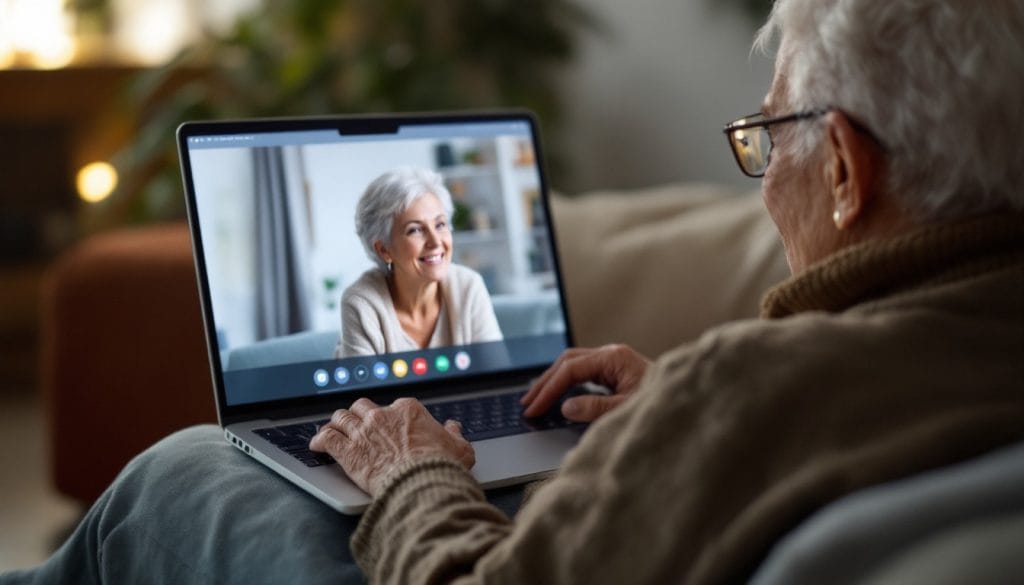
Video calling platforms such as Zoom, Skype, or FaceTime can facilitate face-to-face interactions, making conversations feel more personal. Regular video calls can help reduce feelings of isolation for both you and your parents.
Additionally, messaging apps can provide a quick and easy way to check in throughout the day. Establishing a communication routine can create a sense of normalcy and connection.
Health Monitoring Devices
Wearable health devices, such as smartwatches or fitness trackers, can monitor vital signs and activity levels. Some devices even allow for emergency alerts, providing an additional layer of safety for your parents.
Remote monitoring systems can also track medication adherence and send reminders, ensuring that your parents stay on top of their health routines.
Building a Local Support Network
Creating a local support network is essential for providing care from a distance. This network can include friends, neighbors, or community resources that can assist your parents when you are not available.

Identifying individuals who can check in on your parents regularly can provide reassurance. These local contacts can help with grocery shopping, transportation to appointments, or offering companionship.
Engaging Community Resources
Many communities offer resources specifically designed for seniors. Local senior centers, churches, or community organizations often provide programs and services that can enhance your parents’ quality of life.
Researching these resources can uncover opportunities for social engagement, exercise classes, or educational workshops that can keep your parents active and connected.
Hiring Professional Help
If your parents require more assistance than friends or family can provide, consider hiring professional caregivers. Home health aides can offer personal care, companionship, and assistance with daily activities.
When selecting a caregiver, it’s important to conduct thorough interviews and background checks to ensure your parents feel comfortable and safe with the individual. Establishing a good rapport between the caregiver and your parents can significantly enhance their quality of life.
Encouraging Independence
While providing care is essential, it’s equally important to encourage independence among elderly parents. Maintaining a sense of autonomy can boost their self-esteem and overall happiness.
Encourage your parents to engage in activities they enjoy, whether it’s gardening, reading, or participating in local clubs. Finding hobbies that keep them mentally and physically active can contribute to their well-being.
Promoting Physical Activity
Physical activity is crucial for maintaining health and mobility in older adults. Encourage your parents to participate in regular exercise, whether it’s a daily walk, yoga class, or swimming. Many communities offer senior-friendly fitness programs that can help them stay active.
Consider providing them with resources or equipment, such as resistance bands or exercise videos, to facilitate their fitness journey at home.
Supporting Social Connections
Social isolation can be a significant issue for elderly individuals, particularly those living alone. Encourage your parents to maintain social connections by joining clubs, attending community events, or participating in volunteer opportunities.
Technology can also play a role in fostering social connections. Help your parents set up social media accounts to stay in touch with friends and family, or encourage them to join online groups that align with their interests.
Regular Check-Ins
Establishing a routine for regular check-ins is vital for staying informed about your parents’ well-being. These check-ins can take various forms, from phone calls to scheduled visits, depending on your availability and circumstances.
During these conversations, ask open-ended questions to encourage your parents to share their thoughts and feelings. This approach can provide valuable insights into their emotional and physical health.
Setting Up a Schedule
Creating a check-in schedule can help you stay organized and maintain consistent communication. Whether it’s a daily text message or a weekly phone call, having a set routine can provide both you and your parents with something to look forward to.
Consider using reminders or calendar apps to help you stay on track with your check-in schedule, ensuring that you never miss an opportunity to connect.
Planning Visits
When possible, plan visits to see your parents in person. These visits can strengthen your relationship and provide an opportunity to assess their living situation firsthand. Use this time to engage in activities together, whether it’s cooking a meal, going for a walk, or simply enjoying each other’s company.
During visits, take the time to discuss their needs and any concerns they may have. This face-to-face interaction can foster open communication and help you better understand their situation.
Conclusion
Caring for elderly parents who live far away presents unique challenges, but with thoughtful planning and the right resources, it is possible to provide meaningful support. By understanding their needs, leveraging technology, building a local support network, and encouraging independence, you can ensure that your parents remain healthy and happy.
Ultimately, the key to successful long-distance caregiving lies in maintaining open communication and fostering a sense of connection. By prioritizing your parents’ well-being and staying engaged in their lives, you can navigate the complexities of caregiving from afar.
Discover In-Home Care with Interim HealthCare of La Jolla
If you’re navigating the complexities of caring for your elderly parents from a distance, Interim HealthCare of La Jolla is here to support you. Our Nurse-owned, family-owned business is dedicated to providing the highest-quality in-home healthcare, ensuring your loved ones receive professional, compassionate care in the comfort of their own home. Our Home Life Enrichment program is designed to enhance well-being, maintain independence, and promote overall health, embodying our commitment to positively impact the lives of our clients and their families. Let us join you in your caregiving journey and help create a nurturing environment for your parents. Learn More about how our team can assist you in providing exceptional care, one home at a time.