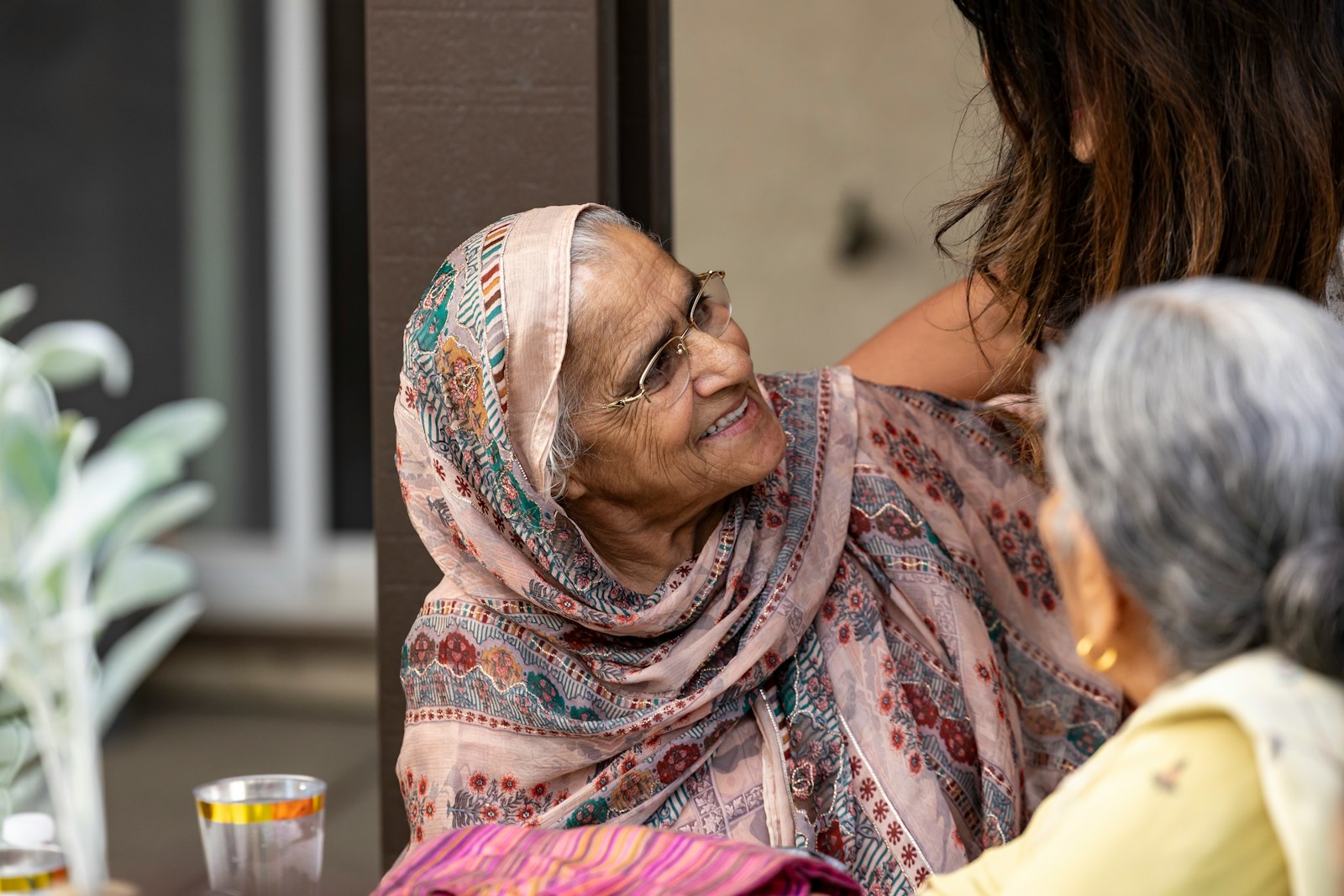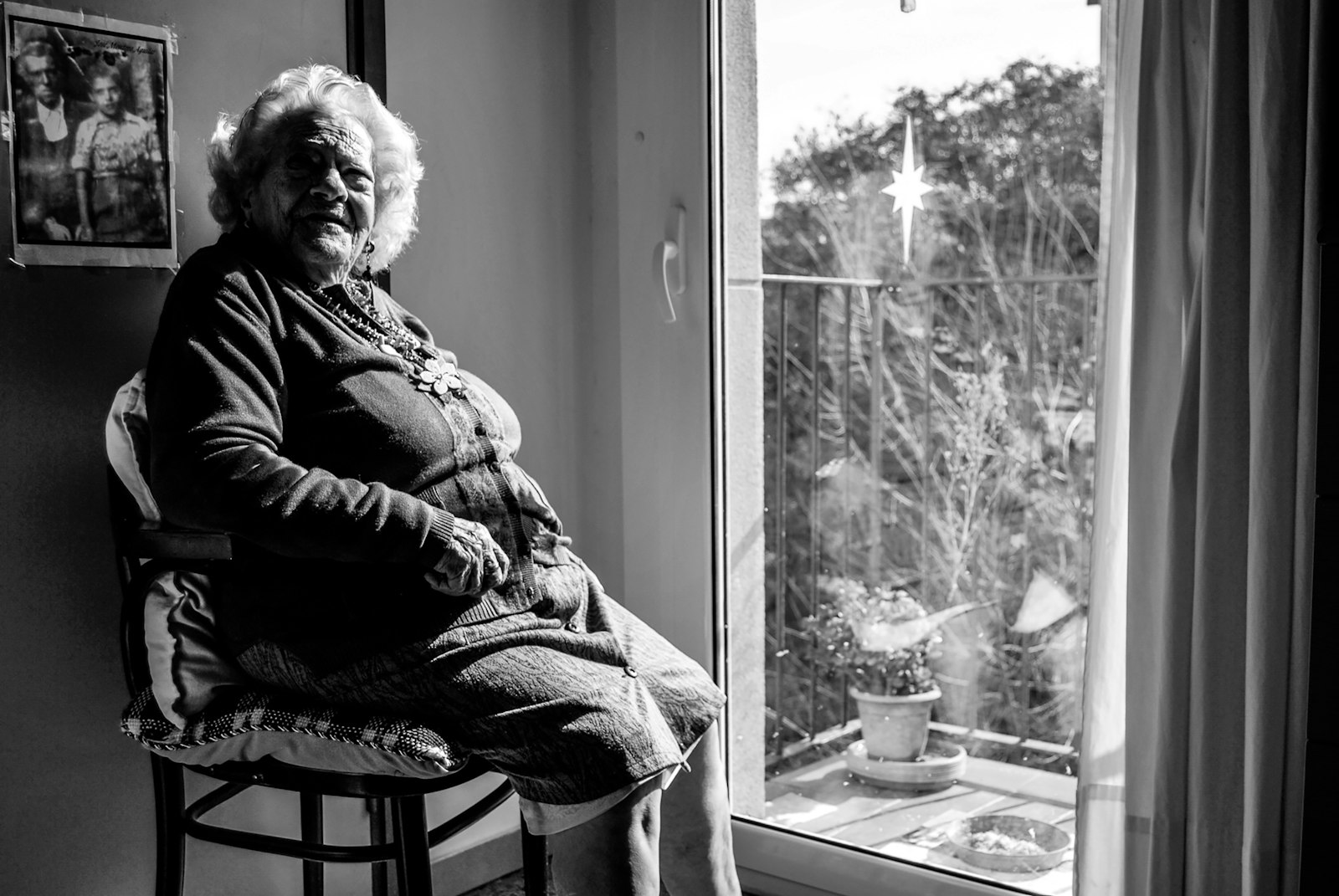
Senior companionship in the context of in-home care is simple at its core. It means your parent or spouse has a consistent, trusted person who shows up for them, connects with them, and helps them live the kind of day that still feels like their life, not just their “care plan.”
What Senior Companionship Really Means
Companionship is not just someone sitting in the house while your loved one watches television. It is an ongoing relationship that blends emotional support, social connection, and practical help, all within the comfort and privacy of their own home in places like La Jolla, Rancho Santa Fe, or nearby coastal communities.
Emotional Support That Feels Personal
A strong companion gives your loved one something family often struggles to provide consistently, calm emotional presence. That looks like:
- Reliable company, so they are not spending long days alone with no one to talk to
- Listening and conversation about their interests, history, and opinions, not just surface chat
- Reassurance and encouragement on harder days, when mobility, pain, or memory issues feel discouraging
The goal is simple, your loved one feels seen, heard, and respected as a whole person, not treated like a checklist of tasks.
Social Engagement That Keeps Life Interesting
Companions help your parent or spouse stay socially active in ways that match their personality and lifestyle. That can include structured activities or simple everyday interaction, such as:
- Shared hobbies at home, like reading, music, cards, or light projects
- Conversation and mental engagement that keep the mind active
- Facilitating social contact with friends and family, including help with phone, text, or video calls
For seniors used to a full professional or social calendar in San Diego County communities, this level of engagement helps protect their sense of identity and independence.
Help With Daily Life, Without Sacrificing Dignity
Companionship often includes light support with the flow of the day, so your loved one stays safe and comfortable while still feeling in control. That might involve:
- Meal companionship, from planning simple meals to shared conversation at the table
- Reminders for medications, hydration, or appointments
- Support with daily routines, such as organizing the day, tidying personal spaces, or gentle guidance with self-care tasks
Quality of life is the point. Senior companionship in these San Diego communities is about protecting lifestyle, privacy, and dignity, while giving families real peace of mind that someone capable and caring is in the home, paying attention, and keeping your loved one engaged in life.

Why Senior Companionship Matters So Much in La Jolla and Nearby Communities
Affluent seniors in places like La Jolla, Rancho Santa Fe, and coastal North County often have beautiful homes, impressive histories, and strong financial plans. What they do not always have is steady, meaningful daily contact. That gap is where things start to slide, quietly at first, then more obviously. Senior companionship is not a luxury in this context, it is a core piece of keeping your loved one mentally sharp, emotionally grounded, and physically safer at home.
Isolation Hides in “Nice, Quiet Days at Home”
Many families assume that because a parent lives in a desirable neighborhood and has every comfort, they must be fine. Long stretches alone tell a different story. Isolation shows up as:
- Withdrawing from social activities, even ones they used to enjoy
- Short, surface conversations when you call, with very little new to share
- More anxiety about going out, hosting guests, or trying anything “complicated.”
A good companion breaks that pattern. Regular visits create a predictable rhythm of conversation, laughter, and shared routines so your loved one experiences less loneliness and more normal human contact, which directly supports emotional stability.
Cognitive Decline Needs Engagement, Not Just Monitoring
Memory changes and slower processing are common with age. What makes the difference is daily mental engagement. Companions support cognitive health by:
- Holding real conversations that require recall, opinions, and storytelling
- Structuring simple activities like reading together, light games, or organizing photos
- Keeping consistent routines that reduce confusion and help your loved one feel oriented in their day
This is not about “fixing” memory issues. It is about slowing the slide, maintaining confidence, and catching small changes early so you and your professional team can respond.
Physical Limitations Without Support Lead To Risk
Even in a well-designed home, aging bodies face real limits. Stiff joints, fatigue, or balance issues turn basic tasks into hazards. Companionship helps protect both physical health and pride by offering:
- Steady presence during light movement around the home, which reduces fall risk
- Gentle pacing and prompting so they do not rush, strain, or skip important routines
- Subtle help with tasks that might feel embarrassing to ask family for, such as tidying or organizing
The real value of senior companionship in San Diego communities is simple. It keeps your loved one from living a small, lonely, and risky version of their life. Instead, they stay socially engaged, mentally active, and physically safer, right in the home and neighborhood they worked hard to enjoy.
Key Services You Can Expect From Senior Companionship Providers
Senior companionship in San Diego County is not a one-size-fits-all checklist. The best providers shape services around your loved one’s routines, preferences, and lifestyle, while still covering the core areas that protect safety, dignity, and quality of life.
Personalized Visits That Match Their Lifestyle
Visits should feel natural, not clinical. A strong companion service tailors the length, timing, and activities of visits to your parent or spouse. That can mean:
- Quiet mornings for someone who tires in the afternoon
- Later-day visits for those who like a slower start
- Frequency and structure based on energy level, cognitive needs, and family involvement
The goal is a rhythm that supports your loved one and fits seamlessly into your schedule.
Conversation and Social Activities
Good companions do not just “keep an eye” on someone, they engage. Typical social and conversational support includes:
- Meaningful conversation about current events, personal history, interests, and plans for the week
- Simple activities at home, such as light games, reading, music, or card play
- Structured engagement for those with cognitive changes, using routines, prompts, and low-pressure interaction
This kind of steady interaction keeps the day from collapsing into passive television and long naps.
Mobility Assistance and Safe Movement
Companionship services often include practical support with getting around the home and out into the community. That can involve:
- Walking alongside your loved one inside or in the yard
- Support with transfers, such as getting up from a chair or moving to a vehicle, within the companion’s training and scope
- Keeping an eye on fatigue and balance so they do not push past safe limits
The aim is to keep them as active as is safely possible, without unnecessary risk.
Medication and Routine Reminders
Most companions do not manage medications directly, but they remind and reinforce. Typical support includes:
- Prompting your loved one to take pre-set medications at the right times
- Encouraging hydration and basic wellness routines
- Tracking simple notes about missed doses or changes in routine for family or clinical teams
This creates a layer of consistency around what you and the medical team have already put in place.
Meal Companionship and Light Support
Meals are often the most overlooked part of the day. Senior companionship services usually offer:
- Presence at mealtime so your loved one does not eat alone or skip meals
- Light help with simple food preparation or warming prepared items, within agreed boundaries
- Conversation at the table, which encourages better intake and enjoyment
In homes where food may already be prepared or delivered, this extra support turns eating into a pleasant social anchor rather than a chore.
Transportation and Outings Support
Transportation varies by provider, but many companionship services help your loved one stay connected to the outside world through:
- Coordinating and accompanying rides arranged by the family or third-party services
- Escort to appointments, social visits, or local activities, staying with them for support
- Practical help with bags, check-in, and navigating buildings or parking areas
The common thread in all of these services is simple. A good senior companion quietly handles the details that make daily life easier, safer, and more enjoyable, while respecting the privacy and preferences that matter so much in higher-end San Diego households.
Selecting the Right Senior Companion for Your Loved One in La Jolla
Choosing a senior companion in La Jolla or neighboring coastal communities is not a decision to take lightly. You are inviting someone into a private home, often into long-standing family routines. The right person brings calm, connection, and consistency. The wrong fit creates more work and more worry for you. Here is how to approach this with intention.
Start With Safety, Background, and Screening
Non-negotiable first step, protect your loved one and their home.
- Confirm a formal background check that includes identity verification and criminal history screening.
- Ask about driving records if transportation or escort to appointments will be involved.
- Clarify how the provider handles reference checks, training verification, and ongoing oversight.
- Review confidentiality practices to protect financial, medical, and personal information inside a household.
If a provider cannot explain their screening process clearly and in plain language, move on.
Look For Genuine Compatibility, Not Just Availability
Companionship only works when personalities match. You want someone your parent or spouse actually likes being around.
- Match on temperament, such as calm and unhurried for someone anxious, or more energetic for someone social and chatty.
- Align on interests, such as conversation, reading, music, or quiet routines.
- Check comfort with your loved one’s cognitive or physical needs, including patience with repetition or slower movement.
Arrange a trial visit or introductory meeting and trust your own instincts. If you walk away feeling you would not want to spend an afternoon with that person, your loved one probably will not either.
Experience and Cultural Sensitivity in San Diego Homes
Care inside higher end San Diego homes requires a specific level of awareness.
- Ask about experience level with seniors who have complex medical teams, long professional histories, or very set preferences.
- Confirm they respect household standards, such as privacy around valuables, guests, staff, or ongoing projects.
- Look for cultural and lifestyle sensitivity, meaning they can move comfortably in an environment where expectations, routines, and boundaries are clear and specific.
Professionalism That Lowers Your Mental Load
A strong senior companion behaves like a trusted professional, not a casual helper.
- They are on time, prepared, and presentable for every visit.
- They communicate clearly with you about schedule changes, concerns, or observations.
- They respect roles and limits, staying within their scope and deferring clinical issues to the medical team.
- They accept feedback without defensiveness and adjust routines when needed.
The bottom line. The right senior companion in La Jolla feels safe, capable, and personally compatible, and they carry themselves with the kind of quiet professionalism that lets you breathe easier when you are not in the home.
The Role of Senior Companionship in a Holistic Elder Care Plan
Senior companionship is one part of a larger picture, not a stand alone service. In San Diego County households, the best outcomes come when companionship, medical care, home health support, legal planning, and wealth management all line up around the same goal, keeping your loved one safe, engaged, and respected in their own home.
How Companionship Complements Medical Care
Your loved one may already have a strong medical team in place. Physicians, specialists, and clinicians can design treatment plans, but they are not in the house day to day. A companion helps those plans actually work in real life by:
- Reinforcing medical routines, such as reminding about medication times, hydration, and activity, within their non clinical scope.
- Observing subtle changes in mood, appetite, energy, or cognition and reporting those to family, who can loop in the medical team.
- Reducing stress during and after appointments by providing calm presence, transportation support, and follow up structure.
The result is fewer gaps between what the doctor recommends and what actually happens during the quiet hours at home.
Working Alongside Home Health and Private Duty Care
In many La Jolla and coastal homes, there is already a mix of home health nurses, therapists, or private duty aides. A senior companion does not replace those roles. Instead, they fill the space that clinical and hands on care often leaves uncovered.
- Home health may focus on medical tasks. Companions focus on conversation, routine, and emotional steadiness.
- Private duty aides may handle personal care. Companions often take the lead on engagement, activities, and social contact.
- Everyone works from the same care priorities, so the day feels coordinated rather than fragmented.
When this is set up correctly, your loved one experiences one coherent support system, not a rotating cast of disconnected providers.
Where Companionship Fits in Estate and Care Planning
For wealth managers and estate planning attorneys, senior companionship belongs in the conversation about how long a client can realistically and safely stay at home. It is part of the practical side of planning, not an afterthought.
- Quality of life assumptions in long term projections should reflect real daily support, not just theoretical “home care” on paper.
- Care directives can specify preferences for in home companionship, social engagement, and continuity of relationships.
- Communication structures can be set so companions report key observations to a designated family contact, who then coordinates with advisors.
When companionship is built into the plan, families are less likely to face emergency moves or rushed, expensive decisions later.
Aligning Care with Financial Strategy
From a financial perspective, structured companionship can help preserve stability. Advisors and families can work together to:
- Map out tiers of support, such as companionship alone, companionship plus clinical care, or higher intensity care when needed.
- Decide on funding sources for companionship within the broader budget for long term care.
- Protect family time so visits are not dominated by tasks, which supports healthier relationships across generations.
The key idea, senior companionship is not a “nice to have” sitting off to the side of the plan. It is one of the practical levers you can use to honor your loved one’s wishes, support their medical team, and make the legal and financial planning you already have in place actually work in day to day life.
Benefits of In-Home Senior Companionship in San Diego County Communities
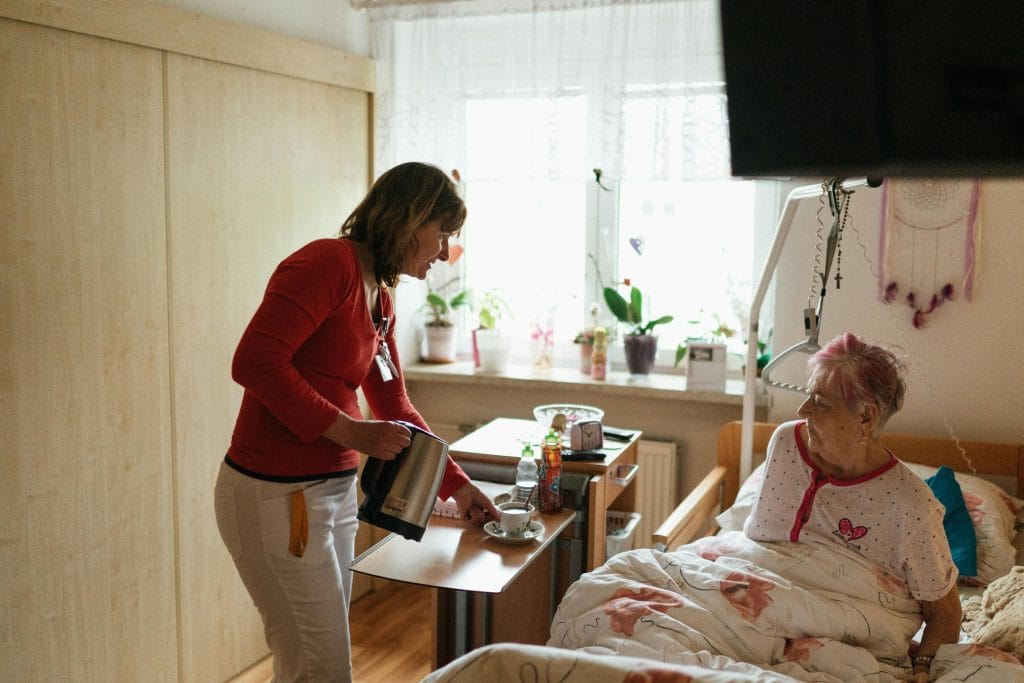
For seniors in La Jolla, Rancho Santa Fe, and other high end parts of San Diego County, in-home companionship is about far more than “someone to be there.” It is about protecting privacy, preserving lifestyle, and making sure your loved one can keep living the life they built, with the right support around them.
Privacy and Discretion Inside the Home
Most families rightly care about privacy. You want support in the home, not disruption.
- Controlled access to the property and interior spaces, so only trusted, vetted professionals are present.
- Discreet presence, meaning companions know how to blend into the household rhythm instead of taking it over.
- Respect for sensitive information, from financial documents on a desk to medical details discussed in passing.
You are not just hiring help. You are inviting someone into a highly personal environment. The right in-home companion understands that and behaves accordingly.
Personalized Service That Reflects Their Lifestyle
In San Diego communities, no two households look alike. Senior companionship should adjust to that, not force your loved one into a generic routine.
- Flexible visit structure that respects existing staff, household schedules, and long-standing habits.
- Attention to preferences, such as how they prefer the home arranged, what they enjoy discussing, and how much quiet they want.
- Coordination with other services already in place, such as housekeeping, chefs, or wellness providers.
The aim is simple, your parent or spouse continues to feel at home in their own home, with companionship that fits them instead of the other way around.
Convenience for Families and Advisors
For adult children, spouses, and professional advisors, time is tight. In-home companionship removes friction.
- No constant transport juggling, since the companion comes to the house and can support local outings from there.
- Smoother communication, with one familiar person noticing changes and sharing updates with the designated contact.
- Less “crisis mode”, because someone is already in the home paying attention to the small shifts that can become big problems.
This kind of structure lets you focus on higher-level decisions and real connections, rather than scrambling with day-to-day logistics.
Enhanced Lifestyle, Right From Home
San Diego County offers incredible lifestyle opportunities. A strong senior companion helps your loved one keep enjoying them, even as needs change.
- Support for local outings, such as nearby walks, low-key social visits, or carefully planned trips that match energy levels.
- Facilitated engagement with hobbies and interests that reflect who they are, not just what is convenient.
- Connection to community through structured routines, virtual contact, or carefully supported in-person plans.
The real benefit of in-home companionship in these communities is continuity. Your loved one keeps their familiar home, their rhythms, and their sense of self, with a trusted person by their side who quietly supports safety, comfort, and the lifestyle they worked hard to build.
Next Steps: How to Get Started with Senior Companionship Services in La Jolla and San Diego County
You do not need to solve everything at once. Getting senior companionship in place works best when you move in clear, deliberate steps that respect your loved one’s preferences and your family’s standards.
Step 1: Clarify What You Actually Need
Before you call anyone, get specific. Ask yourself:
- What times of day are most concerning or lonely for your loved one
- What you want covered, conversation, outings, meal companionship, reminders, or simple presence
- Who is the point person for decisions and communication, you, a spouse, a sibling, or a professional advisor
Capture this in a simple one-page summary. It will help you stay focused when speaking with providers.
Step 2: Research Providers With Intention
Use your network first, especially trusted professionals who understand similar households.
- Ask for referrals from advisors, attorneys, or clinicians who already support your family
- Confirm that providers serve your specific area within San Diego County, including La Jolla and nearby communities
- Look for services that clearly explain screening, training, and supervision
Shortlist a small number of providers that align with your expectations for privacy, professionalism, and discretion.
Step 3: Interview With a Clear Checklist
Treat this like hiring for a key role in your business. During calls or meetings, ask about:
- Companion qualifications and experience in similar households
- Backup coverage when a companion is ill or unavailable
- Communication routines, how and when they share updates with you
- Fit process, how they match personalities, interests, and schedules
Use the same questions with each provider so you can compare responses side by side.
Step 4: Set Clear Expectations From Day One
Once you choose a provider, define what success looks like.
- Create a visit structure, preferred days, hours, and key priorities for each visit
- Outline non-negotiables, privacy rules, rooms that are off limits, and communication protocols
- Agree on how concerns or changes will be handled and who must be notified
Put this in writing so everyone is working from the same playbook.
Step 5: Integrate Companionship Into the Daily Routine
The first few weeks are about adjustment. To make it smoother:
- Start with a consistent schedule so your loved one knows when to expect visits
- Keep early visits simple and predictable, light conversation, meals, short walks, or quiet activities
- Schedule a check-in after [insert time frame] to review what is working and what needs to change
The goal is steady, not dramatic, progress. As the companion becomes part of the normal rhythm, your loved one feels more supported, and you gain back time and mental space, confident that someone reliable is with them in the home.